


 99 stations/collectes
TERRASSES
Une campagne orgnanisée par :
- MNHN - Muséum national d'Histoire naturelle
- IRD - Institut de Recherche pour le Développement
Référence sismer
http://dx.doi.org/10.17600/8100100Programme
Informations générales
Chef de mission
Date et lieu de départ
15/10/2008 Nouméa (Nouvelle-Calédonie)Date et lieu d'arrivée
31/10/2008 Nouméa (Nouvelle-Calédonie)Navire : Alis
Objectifs :
Cette campagne visait à établir les échantillonnages qui permettront d’analyser, premièrement l’origine de la diversité de la faune associée aux monts sous-marins, deuxièmement la connectivité entre des populations fragmentées du milieu profond et troisièmement les contraintes évolutives liées à ce milieu. Les échantillonnages ont été comme prévu réalisés à l’aide d’un chalut à perche et d’une drague. Lire la suite
Travaux effectués :
99 opérations ont été réalisées dont 32 traits de chalut à perche et 67 dragages à la drague Warèn. Lire la suite
Remerciements :
Bibliographie (102) [+] [-]
Exporter les bibliographies
-
Abdelkrim J., Aznar-Cormano L., Buge B., Fedosov A., Kantor Y., Zaharias P. & Puillandre N. 2018. Delimiting species of marine gastropods (Turridae, Conoidea) using RAD sequencing in an integrative taxonomy framework. Molecular Ecology 27(22): 4591-4611. DOI:10.1111/mec.14882
Résumé [+] [-]Species delimitation in poorly known and diverse taxa is usually performed based on monolocus, DNA-barcoding-like approaches, while multilocus data are often used to test alternative species hypotheses in well-studied groups. We combined both approaches to delimit species in the Xenuroturris/Iotyrris complex, a group of venomous marine gastropods from the Indo-P acific. First, COI sequences were analysed using three methods of species delimitation to propose primary species hypotheses. Second, RAD sequencing data were also obtained and a maximum-likelihood phylogenetic tree produced. We tested the impact of the level of missing data on the robustness of the phylogenetic tree obtained with the RAD-seq data. Alternative species partitions revealed with the COI data set were also tested using the RAD-seq data and the Bayes factor species delimitation method. The congruence between the species hypotheses proposed with the mitochondrial nuclear data sets, together with the morphological variability of the shell and the radula and the distribution pattern, was used to turn the primary species hypotheses into secondary species hypotheses. Allopatric primary species hypotheses defined with the COI gene were interpreted to correspond to intraspecific structure. Most of the species are found sympatrically in the Philippines, and only one is confidently identified as a new species and described as Iotyrris conotaxis n. sp. The results obtained demonstrate the efficiency of the combined monolocus/multilocus approach to delimit species.
Campagnes accessibles citées (7) [+] [-]
Codes des collections associés: IM (Mollusques) -
Abdelkrim J., Aznar-Cormano L., Fedosov A.E., Kantor Y.I., Lozouet P., Phuong M.A., Zaharias P. & Puillandre N. 2018. Exon-Capture-Based Phylogeny and Diversification of the Venomous Gastropods (Neogastropoda, Conoidea), in Vidal N. (Ed.), Molecular Biology and Evolution 35(10): 2355-2374. DOI:10.1093/molbev/msy144
Résumé [+] [-]Transcriptome-based exon capture methods provide an approach to recover several hundred markers from genomic DNA, allowing for robust phylogenetic estimation at deep timescales. We applied this method to a highly diverse group of venomous marine snails, Conoidea, for which published phylogenetic trees remain mostly unresolved for the deeper nodes. We targeted 850 protein coding genes (678,322 bp) in ca. 120 samples, spanning all (except one) known families of Conoidea and a broad selection of non-Conoidea neogastropods. The capture was successful for most samples, although capture efficiency decreased when DNA libraries were of insufficient quality and/or quantity (dried samples or low starting DNA concentration) and when targeting the most divergent lineages. An average of 75.4% of proteins was recovered, and the resulting tree, reconstructed using both supermatrix (IQ-tree) and supertree (Astral-II, combined with the Weighted Statistical Binning method) approaches, are almost fully supported. A reconstructed fossil-calibrated tree dates the origin of Conoidea to the Lower Cretaceous. We provide descriptions for two new families. The phylogeny revealed in this study provides a robust framework to reinterpret changes in Conoidea anatomy through time. Finally, we used the phylogeny to test the impact of the venom gland and radular type on diversification rates. Our analyses revealed that repeated losses of the venom gland had no effect on diversification rates, while families with a breadth of radula types showed increases in diversification rates, thus suggesting that trophic ecology may have an impact on the evolution of Conoidea.
Campagnes accessibles citées (23) [+] [-]ATIMO VATAE, AURORA 2007, BIOPAPUA, CEAMARC-AA, CONCALIS, Restreint, DongSha 2014, EXBODI, GUYANE 2014, ILES DU SALUT, INHACA 2011, KARUBENTHOS 2012, KAVIENG 2014, MAINBAZA, NORFOLK 2, NanHai 2014, PANGLAO 2005, PAPUA NIUGINI, Restreint, SALOMONBOA 3, TAIWAN 2013, TERRASSES, Restreint
Codes des collections associés: IM (Mollusques) -
Anseeuw P., Puillandre N., Utge J. & Bouchet P. 2015. Perotrochus caledonicus (Gastropoda: Pleurotomariidae) revisited: descriptions of new species from the South-West Pacific. European Journal of Taxonomy 134: 1-23. DOI:10.5852/ejt.2015.134
Résumé [+] [-]Morphological (shell) and molecular examination of a large suite of specimens of pleurotomariids from around New Caledonia and the Coral Sea reveals the existence of four species in the complex of Perotrochus caledonicus: Perotrochus deforgesi Métivier, 1990 and P. pseudogranulosus sp. nov. live allopatrically on the plateaus and guyots of the Coral Sea; Perotrochus caledonicus Bouchet & Métivier, 1982 and Perotrochus wareni sp. nov. live sympatrically - but essentially not syntopically on the slopes of New Caledonia, Norfolk Ridge and the Loyalty Ridge. All species live in the 300–500 m interval, and together form a significant component of the mollusc fauna living on hard bottoms in the SW Pacific, with individual dredge hauls containing up to 25 specimens of Perotrochus.
Campagnes accessibles citées (15) [+] [-]BATHUS 3, BATHUS 4, CONCALIS, EBISCO, LITHIST, MUSORSTOM 4, MUSORSTOM 5, MUSORSTOM 6, NORFOLK 1, NORFOLK 2, SMIB 5, SMIB 6, SMIB 8, TERRASSES, VOLSMAR
Codes des collections associés: IM (Mollusques) -
Anseeuw P., Bell L.J. & Harasewych M.G. 2017. Bayerotrochus belauensis, a new species of pleurotomariid from the Palau Islands, western Pacific (Gastropoda: Pleurotomariidae). The Nautilus 131(2): 138-146
Résumé [+] [-]A new pleurotomariid species, Bayerotrochus belauensis new species, collected from the Palau Islands, western Pacific, is described and illustrated. This new species is most similar in shell morphology to B. teramachii (Kuroda, 1955), from which it may be distinguished by its thinner, lighter shell with a taller, more stepped spire and lack of pronounced spiral sculpture along the shell base. Molecular data (COI) show B. belauensis new species to be more closely related to B. boucheti from New Caledonia and B. delicatus from Yap, than to B. teramachii. Bayerotrochus boucheti (Anseeuw and Poppe, 2001) differs in having a broader, more conical spire, a more depressed aperture, and a more darkly pigmented shell with spiral sculpture on the shell base. The recently described B. delicatus S.-P. Zhang, S.Q. Zhang, and Wei, 2016 is easily distinguished by its much smaller size and distinctive shell profile.
Campagnes accessibles citées (4) [+] [-]
Codes des collections associés: IM (Mollusques) -
Bamber R.N. 2013. Deep-water Pycnogonida from recent cruises to Papua New Guinea and Melanesia, with an appendix of new records from Polynesia and descriptions of five new species. Zoosystema 35(2): 195-214. DOI:10.5252/z2013n2a5
Résumé [+] [-]Deep-sea pycnogonid material collected during the N/O Alis Campagnes SalomonBOA 3 to the Solomon Islands in 2007, Terasses to New Caledonia in 2008, Tarasoc to the Tuamoto Archipelago and Tarava Seamounts in 2009, Biopapua to Papua New Guinea in 2010, and Exbodi to New Caledonia in 2011, has been analyzed. This includes the first collection of deep-sea pycnogonids from the waters of Papua New Guinea. The material includes 71 specimens from 14 species in seven genera. Most are frequently-recorded species of the genus Colossendeis, but there are also four species new to science, Ascorhynchus quartogibbus n. sp., Cilunculus roni n. sp., Phoxichilidium alis n. sp., Pycnogonum papua n. sp. A specimen from New Caledonia, identified by Stock in 1997 as Pycnogonum occa Loman, 1908, but not figured or described, has been re-examined, and found also to be a distinct species, Pycnogonum staplesi n. sp.
Campagnes accessibles citées (6) [+] [-]
Codes des collections associés: IU (Crustacés) -
Bitner A. 2015. Checklist of recent brachiopod species collected during the Terrasses and Exbodi cruises in the New Caledonian region, SW Pacific. ZooKeys 537: 33-50. DOI:10.3897/zookeys.537.6567
Campagnes accessibles citées (2) [+] [-]
Codes des collections associés: IB (Bryozoaires Brachiopodes) -
Bryce M., Poliseno A., Alderslade P. & Vargas S. 2015. Digitate and capitate soft corals (Cnidaria: Octocorallia: Alcyoniidae) from Western Australia with reports on new species and new Australian geographical records. Zootaxa 3963(2). DOI:10.11646/zootaxa.3963.2.2
Résumé [+] [-]We report on digitate and capitate Octocorallia within the genera Parasphaerasclera McFadden & Ofwegen, 2013, Eleutherobia Pütter, 1900, Sphaerasclera McFadden & Ofwegen, 2013, and Paraminabea Williams & Alderslade, 1999 from tropical Western Australian waters. Three new species (Parasphaerasclera kimberleyensis, Eleutherobia australiensis, Eleutherobia imaharai) are described, with a discussion of their taxonomic placement in the light of a recent treatment of the genus Eleutherobia and related taxa by McFadden & Ofwegen (2013). In addition, range extensions for three species are reported, Parasphaerasclera grayi (Thomson & Dean, 1931) known from Indonesia and the Pacific Ocean, Eleutherobia somaliensis Verseveldt & Bayer, 1988 from Somalia, and Eleutherobia splendens (Thomson & Dean, 1931) recorded from Indonesia and the Philippines. Additionally, one new Australian geographical record (Sphaerasclera flammicerebra) (Williams, 2003) with a known distribution from Palau to Mauritius, has been included. We complement morphological taxonomy with molecular data (mtMutS, 28S rDNA) to analyse and clarify phylogenetic placement of these species. The mitochondrial mtMutS phylogeny supported Eleutherobia, Paraminabea, Parasphaerasclera and Sphaerasclera as distinct monophyletic genera. Phylogenetic analyses based on 28S rDNA lacked resolution and were largely unresolved. Additionally, the molecular data corroborated our proposed morphological hypothesis of the placement of the new species P. kimberleyensis sp. nov. with no anthocodial armature in the genus Parasphaerasclera, and the assignment of the new species, E. australiensis sp. nov. and E. imaharai sp. nov., with distinct polyps sclerites in the genus Eleutherobia.
Campagnes accessibles citées (1) [+] [-]
Codes des collections associés: IK (Cnidaires) -
Cairns S. & Kitahara M. 2012. An illustrated key to the genera and subgenera of the Recent azooxanthellate Scleractinia (Cnidaria, Anthozoa), with an attached glossary. ZooKeys 227: 1-47. DOI:10.3897/zookeys.227.3612
Résumé [+] [-]The 120 presently recognized genera and seven subgenera of the azooxanthellate Scleractinia are keyed using gross morphological characters of the corallum. All genera are illustrated with calicular and side views of coralla. All termes used in the key are defined in an illustrated glossary. A table of all species-level keys, both comprehensive and faunistic, is provided covering the last 40 years.
Campagnes accessibles citées (21) [+] [-]BATHUS 1, BATHUS 3, BATHUS 4, BERYX 11, BIOCAL, BIOGEOCAL, CHALCAL 1, CONCALIS, EBISCO, HALIPRO 2, LAGON, LIFOU 2000, MUSORSTOM 4, MUSORSTOM 5, MUSORSTOM 6, MUSORSTOM 8, NORFOLK 1, NORFOLK 2, SMIB 10, SMIB 5, TERRASSES
Codes des collections associés: IK (Cnidaires) -
Cairns S.D. 2015. Stylasteridae (Cnidaria: Hydrozoa: Anthoathecata) of the New Caledonian Region - Tropica Deep-Sea Benthos 28. Mémoires du Muséum national d'Histoire naturelle 207, 363 pp. ISBN:978-2-85653-767-1
Campagnes accessibles citées (31) [+] [-]AZTEQUE, BATHUS 2, BATHUS 3, BATHUS 4, BIOCAL, BIOGEOCAL, CALSUB, CHALCAL 1, CHALCAL 2, CONCALIS, CORAIL 2, EBISCO, EXBODI, HALIPRO 1, LAGON, LITHIST, MUSORSTOM 4, MUSORSTOM 5, MUSORSTOM 6, MUSORSTOM 7, MUSORSTOM 8, NORFOLK 1, NORFOLK 2, SMIB 2, SMIB 3, SMIB 4, SMIB 5, SMIB 6, TERRASSES, VAUBAN 1978-1979, VOLSMAR
Codes des collections associés: IK (Cnidaires) -
Castelin M., Lambourdiere J., Boisselier M.C., Lozouet P., Couloux A., Cruaud C. & Samadi S. 2010. Hidden diversity and endemism on seamounts: focus on poorly dispersive neogastropods. Biological Journal of the Linnean Society 100(2): 420–438. DOI:10.1111/j.1095-8312.2010.01424.x
Résumé [+] [-]The seamounts chain offers a set of fragmented habitats in which species with poor dispersive ability may undergo divergence in allopatry. Such a scenario may explain the endemism often described on seamounts. In gastropods, it is possible to infer the mode of development of a species from the morphology of its larval shell. Accordingly, we examine the population genetics of several caenogastropods from the Norfolk and Lord Howe seamounts (south-west Pacific) with contrasting modes of larval development. A prerequisite to our study was to clarify the taxonomic framework. The species delimitation was ruled using an integrative approach, based on both morphological and molecular evidence. Molecular data indicate an unexpected taxonomic diversity within the existing species names. Both the clarification of the taxonomic framework and the importance of the sampling effort allow us to confidently detect cryptic diversity and micro-endemism. These results are discussed in relation to the dispersive capacities of the organisms. (C) 2010 The Linnean Society of London, Biological Journal of the Linnean Society, 2010, 100, 420-438.
Campagnes accessibles citées (5) [+] [-]
Codes des collections associés: IM (Mollusques) -
Castelin M., Puillandre N., Lozouet P., Sysoev A., Richer de Forges B. & Samadi S. 2011. Molluskan species richness and endemism on New Caledonian seamounts: Are they enhanced compared to adjacent slopes?. Deep Sea Research Part I: Oceanographic Research Papers 58(6): 637-646. DOI:10.1016/j.dsr.2011.03.008
Résumé [+] [-]Seamounts were often considered as‘hotspots of diversity’ and ‘centers of endemism’,but recently this opinion has been challenged. After 25 years of exploration and the work of numerous taxonomists, the Norfolk Ridge (Southwest Pacific) is probably one of the best-studied seamount chains worldwide. However,even in this intensively explored area, the richness and the geographic patterns of diversity are still poorly characterized. Among the benthic organisms,the post-mortem remains of mollusks can supplement live records to comprehensively document geographical distrbutions. Moreover, the accretionary growth of mollusk shells informs us about the lifes pan of the pelagic larva.To compare diversity and level of endemism between the Norfolk Ridge seamounts and the continental slopes of New Caledonia we used species occurrence data drawn from (i) the taxonomic literature on mollusks and (ii) a raw dataset of mainly undescribed deep-sea species of the hyperdiverse Turridae. Patterns of endemism and species richness were analyzed through quantitative indices of endemism and species richness estimates or metrics.To date, 403 gastropods and bivalves species have been recorded on the Norfolk Ridge seamounts. Of these, at least 38 species(10%) are potentially endemic to the seamounts and nearly all of 38 species have protoconchs indicating lecithotrophic larval development. Overall, our results suggest that estimates of species richness and endemism ,when sampling effort is taken into account, were not significantly different between slopes and seamounts. By including in our analyses 347 undescribed morphospecies from the Norfolk Ridge, our results also demonstratet he influence of taxonomic bias on our estimates of species richness and endemism.
Campagnes accessibles citées (16) [+] [-]AZTEQUE, BATHUS 2, BATHUS 3, BERYX 11, BIOCAL, CHALCAL 2, HALIPRO 2, LITHIST, NORFOLK 1, NORFOLK 2, SMIB 10, SMIB 3, SMIB 4, SMIB 5, SMIB 8, TERRASSES
Codes des collections associés: IM (Mollusques) -
Castelin M., Puillandre N., Kantor Y., Modica M.V., Terryn Y., Cruaud C., Bouchet P. & Holford M. 2012. Macroevolution of venom apparatus innovations in auger snails (Gastropoda; Conoidea; Terebridae). Molecular Phylogenetics and Evolution 64(1): 21-44. DOI:10.1016/j.ympev.2012.03.001
Résumé [+] [-]The Terebridae are a diverse family of tropical and subtropical marine, gastropods that use a complex and modular venom apparatus to produce toxins that capture polychaete and enteropneust preys. The complexity of the terebrid venom apparatus suggests that venom apparatus development in the Terebridae could be linked to the diversification of the group and can be analyzed within a molecular phylogenetic scaffold to better understand terebrid evolution. Presented here is a molecular phylogeny of 89 terebrid species belonging to 12 of the 15 currently accepted genera, based on Bayesian inference and Maximum Likelihood analyses of amplicons of 3 mitochondrial (COI, 165 and 12S) and one nuclear (28S) genes. The evolution of the anatomy of the terebrid venom apparatus was assessed by mapping traits of six related characters: proboscis, venom gland, odontophore, accessory proboscis structure, radula, and salivary glands. A novel result concerning terebrid phylogeny was the discovery of a previously unrecognized lineage, which includes species of Euterebra and Duplicaria. The non-monophyly of most terebrid genera analyzed indicates that the current genus-level classification of the group is plagued with homoplasy and requires further taxonomic investigations. Foregut anatomy in the family Terebridae reveals an inordinate diversity of features that covers the range of variability within the entire superfamily Conoidea, and that hypodermic radulae have likely evolved independently on at least three occasions. These findings illustrate that terebrid venom apparatus evolution is not perfunctory, and involves independent and numerous changes of central features in the foregut anatomy. The multiple emergence of hypodermic marginal radular teeth in terebrids are presumably associated with variable functionalities, suggesting that terebrids have adapted to dietary changes that may have resulted from predator-prey relationships. The anatomical and phylogenetic results presented serve as a starting point to advance investigations about the role of predator-prey interactions in the diversification of the Terebridae and the impact on their peptide toxins, which are promising bioactive compounds for biomedical research and therapeutic drug development. (c) 2012 Elsevier Inc. All rights reserved.
Campagnes accessibles citées (14) [+] [-]ATIMO VATAE, BOA1, CONCALIS, EBISCO, MAINBAZA, MIRIKY, Restreint, PANGLAO 2004, PANGLAO 2005, SALOMON 2, SANTO 2006, Restreint, TARASOC, TERRASSES
Codes des collections associés: IM (Mollusques) -
Castelin M., Lorion J., Brisset J., Cruaud C., Maestrati P., Utge J. & Samadi S. 2012. Speciation patterns in gastropods with long-lived larvae from deep-sea seamounts. Molecular Ecology 21(19): 4828-4853. DOI:10.1111/j.1365-294X.2012.05743.x
Résumé [+] [-]Characterizing speciation processes in the sea remains a highly contentious issue because geographic barriers to gene exchange, which are the initial conditions for the allopatric speciation model, are not obvious. Moreover, many benthic marine organisms have long-lived planktonic larvae that allow them to connect distant patches of habitats. We here analyse the pattern of speciation in the gastropod genus Bursa in which all species have long-lived and planktonic-feeding larvae. We use a large taxonomic and ecologic coverage of Bursidae from the Indo-Pacific. We use an integrative approach to taxonomy to give more support to available taxonomic hypotheses. This analysis revealed cryptic lineages and suggest that a taxonomic revision of the family should be performed. A molecular clock calibrated from the fossil record was used to estimate divergence times. We then focus on the three co-existing species living in the deep waters of New Caledonia. Over the wide sampled area, no genetic structure was detected for the three species. We show that among New Caledonia species, Bursa fijiensis and Bursa quirihorai are reciprocally monophyletic. These two species are the two more closely related species in the inferred phylogeny. The present biogeographic ranges of the two species and the estimated time of divergence make the scenario of geographic isolation followed by secondary contact unlikely.
Campagnes accessibles citées (11) [+] [-]AURORA 2007, CONCALIS, EBISCO, MAINBAZA, MIRIKY, NORFOLK 1, NORFOLK 2, PANGLAO 2004, PANGLAO 2005, SALOMON 2, TERRASSES
Codes des collections associés: IM (Mollusques) -
Castelin M., Williams S.T., Buge B., Maestrati P., Lambourdière J., Ozawa T., Utge J., Couloux A., Alf A. & Samadi S. 2017. Untangling species identity in gastropods with polymorphic shells in the genus Bolma Risso, 1826 (Mollusca, Vetigastropoda). European Journal of Taxonomy 288: 1-21. DOI:10.5852/ejt.2017.288
Résumé [+] [-]In shelled molluscs, assigning valid species names to independent evolutionary lineages can be a difficult task. Most original descriptions are based on empty shells and the high levels of variation in shape, color and pattern in some groups can make the shell a poor proxy for species-level identification. The deep-sea gastropod turbinid genus Bolma is one such example, where species-level identification based on shell characters alone is challenging. Here, we show that in Bolma both traditional and molecular taxonomic treatments are associated with a number of pitfalls that can lead to biased inferences about species diversity. Challenges derive from the few phylogenetically informative characters of shells, insufficient information provided in original descriptions and sampling artefacts, which at the molecular level in spatially fragmented organisms can blur distinctions between genetically divergent populations and separate species. Based on a comprehensive dataset combining molecular, morphological and distributional data, this study identified several cases of shell-morphological plasticity and convergence. Results also suggest that what was thought to be a set of distinct, range-restricted species corresponds instead to a smaller number of more widespread species. Overall, using an appropriate sampling design, including type localities, allowed us to assign available names to evolutionarily significant units.
Campagnes accessibles citées (16) [+] [-]ATIMO VATAE, AURORA 2007, BIOPAPUA, BORDAU 1, CONCALIS, EBISCO, EXBODI, MAINBAZA, MIRIKY, NORFOLK 2, PANGLAO 2004, PANGLAO 2005, SALOMON 2, SALOMONBOA 3, TAIWAN 2004, TERRASSES
Codes des collections associés: IM (Mollusques) -
Castro P. 2020. Brachyuran crabs (Crustacea: Brachyura) of eleven families of Dorippoidea, Goneplacoidea, Homoloidea, Palicoidea, Pilumnoidea, and Trapezioidea from Papua New Guinea, Deep-Sea Crustaceans from Papua New Guinea - Tropical Deep-Sea Benthos 31. Mémoires du Muséum national d'histoire naturelle Tome 213. Publications scientifiques du Muséum national d'histoire naturelle, Paris:141-206, ISBN:978-2-85653-913-2
Résumé [+] [-]Collection of 81 species belonging to 11 families of six superfamilies of brachyuran crabs are reported from expeditions in Papua New Guinea (BIOPAPUA (2010), PAPUA NIUGINI (2012), MADEEP (2014), and KAVIENG 2014 (2014) cruises). The species, belonging to Dorippoidea (Ethusidae), Goneplacoidea (Goneplacidae, Euryplacidae, Progeryonidae), Homoloidea (Latreilliidae), Palicoidea (Crossotonotidae, Palicidae), Pilumnoidea (Pilumnidae Eumedoninae) and Trapezioidea (Domeciidae, Tetraliidae, Trapeziidae) were mostly collected from deep water and are rarely collected and studied. Fifty species are recorded from the island of New Guinea for the first time. Ethusina ocellata Castro, 2005 (Ethusidae) was found to be a junior subjective synonym of Ethusina microspina Chen, 2000, and Ethusa crassipodia Castro, 2005 (Ethusidae) of Ethusa curvipes Chen, 1993. Ethusina exophthalma Castro, 2005 is reassigned to Ethusa Smith, 1884, as Ethusa exophthalma (Castro, 2005) n. comb. The females of Parethusa hylophora Castro, 2005 (Ethusidae) and Thyraplax digitodentata Castro, 2007 (Goneplacidae), respectively, are described for the first time. A neotype is designated for Trapezia rubridactyla Garth, 1971 (Trapeziidae). Color photographs of fresh material of many of the species are published for the first time.
Campagnes accessibles citées (21) [+] [-]AURORA 2007, BATHUS 3, BIOPAPUA, BOA1, EXBODI, HALIPRO 1, KARUBAR, KAVIENG 2014, MADEEP, MONTROUZIER, MUSORSTOM 10, MUSORSTOM 4, MUSORSTOM 5, MUSORSTOM 8, PAPUA NIUGINI, SALOMON 1, SALOMON 2, SALOMONBOA 3, SANTO 2006, TARASOC, TERRASSES
Codes des collections associés: IU (Crustacés) -
Chan T., Ma K.Y. & Chu K.H. 2013. The deep-sea spiny lobster genus Puerulus Ortmann, 1897 (Crustacea, Decapoda, Palinuridae), with descriptions of five new species, in Ahyong S.T., Chan T., Corbari L. & Ng P.K.(Eds), Tropical Deep-Sea Benthos 27. Mémoires du Muséum national d'Histoire naturelle 204:191-230, ISBN:978-2-85653-692-6
Résumé [+] [-]Recent French deep-sea expeditions in the Indo-West Pacific resulted in the collection of abundant material of the deep-sea lobster genus Puerulus Ortmann, 1897 (Palinuridae). Difficulties in identification necessitated a generic revision and as a result, five new species are described, all of which are similar to P. angulatus (Bate, 1888). Puerulus angulatus was thought to have a wide distribution from eastern Africa to Marquesas Islands, but is now restricted to the western Pacific, from Japan to Australia. Of the five new species, P. gibbosus n. sp. is found in eastern Africa, P. mesodontus n. sp. from Japan to Fiji, P. richeri n. sp. from the New Caledonia to Marquesas Islands, while P. sericus n. sp. and P. quadridentis n. sp. mainly occur around New Caledonia. Of the other three previously described species, the distribution of P. velutinus Holthuis, 1963, is extended to Fiji, while P. sewelli Ramadan, 1938, and P. carinatus Borradaile, 1910, are still only known from the northern and western parts of the Indian Ocean, respectively. COI gene sequence differences support the morphological species distinctions.
Campagnes accessibles citées (54) [+] [-]AURORA 2007, AZTEQUE, BATHUS 1, BATHUS 2, BATHUS 3, BATHUS 4, BENTHEDI, BERYX 11, BERYX 2, BIOCAL, BIOPAPUA, BOA0, BOA1, BORDAU 1, BORDAU 2, CHALCAL 1, CHALCAL 2, Restreint, EBISCO, EXBODI, HALIPRO 1, KARUBAR, LITHIST, MAINBAZA, Restreint, MIRIKY, MUSORSTOM 1, MUSORSTOM 10, MUSORSTOM 2, MUSORSTOM 3, MUSORSTOM 4, MUSORSTOM 5, MUSORSTOM 6, MUSORSTOM 7, MUSORSTOM 8, MUSORSTOM 9, NORFOLK 1, NORFOLK 2, PALEO-SURPRISE, PANGLAO 2005, SALOMON 1, SALOMON 2, SALOMONBOA 3, SANTO 2006, SMCB, SMIB 1, SMIB 2, SMIB 4, SMIB 8, TAIWAN 2001, TARASOC, TERRASSES, VAUBAN 1978-1979, VOLSMAR
Codes des collections associés: IU (Crustacés) -
Claremont M., Houart R., Williams S.T. & Reid D.G. 2013. A molecular phylogenetic framework for the Ergalataxinae (Neogastropoda: Muricidae). Journal of Molluscan Studies 79(1): 19-29. DOI:10.1093/mollus/eys028
Résumé [+] [-]The validity of the muricid subfamily Ergalataxinae has recently been confirmed with molecular data, but its composition and the relationships among its constituent genera remain unclear. In order to investigate this, we use four genes (28S rRNA, 12S rRNA, 16S rRNA and cytochrome c oxidase subunit I) to construct a Bayesian phylogeny of 52 ergalataxine species in 18 genera, representing c. 40 of the currently accepted species and 86 of the genera. This is the most complete phylogeny of this taxonomically confusing subfamily yet produced. Our results indicate the polyphyly of many traditional genera, including Morula, Pascula and Orania. In order to improve the correspondence between classification and phylogeny, we restrict the definition of Morula, resurrect Tenguella and elevate Oppomorus to full genus, but describe no new genera. Several species in this analysis could not be identified and may be new, but we do not describe them. Further molecular and morphological analyses, in the context of this framework, should help to resolve the remaining ambiguities in the classification of this subfamily. The oldest fossil member of the Ergalataxinae known to us is of Early Oligocene age.
Campagnes accessibles citées (11) [+] [-]AURORA 2007, CONCALIS, EBISCO, MAINBAZA, MIRIKY, NORFOLK 2, PANGLAO 2004, PANGLAO 2005, SALOMON 2, SANTO 2006, TERRASSES
Codes des collections associés: IM (Mollusques) -
Criscione F., Hallan A., Fedosov A. & Puillandre N. 2021. Deep Downunder: Integrative taxonomy of Austrobela , Spergo , Theta and Austrotheta (Gastropoda: Conoidea: Raphitomidae) from the deep sea of Australia. Journal of Zoological Systematics and Evolutionary Research 59(8): 1718-1753. DOI:10.1111/jzs.12512
Résumé [+] [-]Recent sampling efforts in the deep seas of southern and eastern Australia have generated a wealth of DNA-suitable material of neogastropods of the family Raphitomidae. Based on this material, a molecular phylogeny of the family has revealed a considerable amount of genus and species level lineages previously unknown to science. These taxa are now the focus of current integrative taxonomic research. As part of this ongoing investigation, this study focuses on the genera Austrobela, Austrotheta (both Criscione, Hallan, Puillandre & Fedosov, 2020), Spergo Dall, 1895 and Theta Clarke, 1959. We subjected a comprehensive mitochondrial DNA dataset of representative deep-sea raphitomids to Automatic Barcode Gap Discovery, which recognized 24 primary species hypotheses (PSHs). Following additional evaluation of shell and radular features, as well as examination of geographic and bathymetric ranges, 18 of these PSHs were converted to secondary species hypotheses (SSHs). Based on the evidence available, the most likely speciation mechanisms involved were evaluated for each pair of sister SSHs, including niche partitioning. Eleven SSHs were recognized as new and their systematic descriptions are provided herein. Of these, four were attributed to Austrobela, one to Austrotheta, four to Spergo and two to Theta. While all new species are endemic to Australian waters, other species studied herein exhibit wide Indo-Pacific distributions, adding to the growing body of evidence suggesting that wide geographic ranges in deep-sea Raphitomidae are more common than previously assumed.
Campagnes accessibles citées (19) [+] [-]AURORA 2007, BATHUS 3, BIOMAGLO, BIOPAPUA, CHALCAL 2, CONCALIS, EBISCO, KANADEEP, KARUBAR, KARUBENTHOS 2, NORFOLK 2, NanHai 2014, PAPUA NIUGINI, SALOMON 2, TAIWAN 2013, Restreint, TARASOC, TERRASSES, ZhongSha 2015
Codes des collections associés: IM (Mollusques) -
Dijkstra H.H. & Maestrati P. 2013. New species and new records of bathyal living Pectinoidea (Bivalvia: Propeamussiidae: Pectinidae) from the Southwest Pacific. Zoosystema 35(4): 469-478. DOI:10.5252/z2013n4a1
Résumé [+] [-]Nineteen species of Pectinoidea (16 Propeamussiidae, 3 Pectinidae) are herein listed. All species from the Solomon Islands (9 species), and New Caledonia (Norfolk Ridge [7], main island of New Caledonia [1], Grand Passage [1], Coral Sea [1]) are new records. Two Propeamussiidae species are new to science: Parvamussium orbiculatum n. sp. (Solomon Islands and Coral Sea) and Parvamussium perspicuum n. sp. (Vanuatu). One pectinid species from Vanuatu (Juxtamusium sp.) will be described later, when more material becomes available.
Campagnes accessibles citées (12) [+] [-]BATHUS 1, BIOCAL, BOA1, CONCALIS, EBISCO, MUSORSTOM 5, MUSORSTOM 6, NORFOLK 2, SALOMON 2, SALOMONBOA 3, Restreint, TERRASSES
Codes des collections associés: IM (Mollusques) -
Ekins M., Debitus C., Erpenbeck D. & Hooper J.N. 2018. A new species of the sponge Raspailia (Raspaxilla) (Porifera: Demospongiae: Axinellida: Raspailiidae) from deep seamounts of the Western Pacific. Zootaxa 4410(2): 379. DOI:10.11646/zootaxa.4410.2.7
Résumé [+] [-]A new species of Raspailia (Raspaxilla) frondosa sp. nov. is described from the deep seamounts of the Norfolk and New Caledonia Ridges. The morphology of the species resembles that of a frond or a fern, and its unique highly compressed axial skeleton of interlaced spongin fibres without spicules in combination with a radial extra axial skeleton of a perpendicular palisade of spicules, differentiate it from all other species of the subgenus. This species is compared morphologically to all 18 other valid species described in Raspailia (Raspaxilla).
Campagnes accessibles citées (2) [+] [-]
Codes des collections associés: IP (Porifères) -
Fassio G., Russo P., Bonomolo G., Fedosov A.E., Modica M., Nocella E. & Oliverio M. 2022. A molecular framework for the systematics of the Mediterranean spindle-shells (Gastropoda, Neogastropoda, Fasciolariidae, Fusininae). Mediterranean Marine Science 23(3): 623-636. DOI:10.12681/mms.29935
Résumé [+] [-]A remarkably high diversity of native small spindle-shells (Gastropoda, Fasciolariidae, Fusininae) has been recently inventoried in the Mediterranean Sea, with 23 species identified based on shell morphology. They have almost invariably been classified in the genus Fusinus, and a few of them recently moved to other genera (Aptyxis Troschel 1868, Aegeofusinus Russo, 2017 and Gracilipurpura Jousseaume, 1880), mostly based on the sole shell features. We have reconstructed a molecular phylogenetic framework for the Mediterranean Fusininae, focusing on native species representative of the genus-level taxa. Our results confirmed that Fusinus s.s. (type species Murex colus Linnaeus, 1758) should be restricted to a group of large-shelled species from the Indo-West Pacific and does not fit any of the small-shelled Mediterranean fusinines. We confirm that Murex syracusanus Linnaeus, 1758 represents a distinct lineage, and show that for all the remaining species the pattern is suggestive of a single monophyletic radiation of small Mediterranean fusinines, for which the name Pseudofusus Monterosato, 1884 must be used
Campagnes accessibles citées (23) [+] [-]ATIMO VATAE, AURORA 2007, CONCALIS, Restreint, EBISCO, EXBODI, GUYANE 2014, KANACONO, KARUBENTHOS 2, KARUBENTHOS 2012, KAVIENG 2014, MIRIKY, NanHai 2014, PAKAIHI I TE MOANA, PANGLAO 2004, PANGLAO 2005, PAPUA NIUGINI, SALOMON 2, SALOMONBOA 3, SANTO 2006, TARASOC, TERRASSES, Restreint
Codes des collections associés: IM (Mollusques) -
Fedesov A.E., Puillandre N., Herrmann M., Dgebuadze P. & Bouchet P. 2017. Phylogeny, systematics, and evolution of the family Costellariidae (Gastropoda: Neogastropoda). Zoological Journal of the Linnean Society 179(3): 541-626. DOI:https://doi.org/10.1111/zoj.12431
Résumé [+] [-]The neogastropod family Costellariidae is a large and successful group of carnivorous marine mollusks that encompasses about 475 living species. Costellariids are most diverse in the tropical Indo-Pacific at a depth interval of 0–200 m, where they are largely represented by numerous species commonly assigned to the genus Vexillum. The present work expands the taxon sampling of a previous phylogeny of the mitriform gastropods to resolve earlier problematic relationships, and thus establish a robust framework of the family, revise its taxonomy, and uncover major trends in the evolution of costellariid morphology. A multicuspidate rachidian is shown to have appeared at least twice in the evolutionary history of the family: it is regarded as an apomorphy of the primarily Indo-Pacific Vexillum–Austromitra–Atlantilux lineage, and has evolved independently in the Nodicostellaria–Mitromica lineage of the western hemisphere. The genera Ceratoxancus and Latiromitra are transferred from the Ptychatractidae to the Costellariidae. Tosapusia, Protoelongata, and Pusia are ranked as full genera, the latter with the three subgenera Pusia, Ebenomitra, and Vexillena. Vexillum (Costellaria) and Zierliana are treated as synonyms of Vexillum. The replacement name Suluspira is proposed for Visaya Poppe, Guillot de Suduiraut & Tagaro, 2006, non Ahyong, 2004 (Crustacea). We introduce four new genera, Alisimitra, Costapex, Turriplicifer, and Orphanopusia, and characterize their anatomy; 14 new species, mostly from deep water in the Indo-Pacific, are described in the genera Tosapusia, Alisimitra, Costapex, and Pusia. At least two species of Costapex gen. nov. have been collected from sunken wood.
Campagnes accessibles citées (29) [+] [-]ATIMO VATAE, AURORA 2007, BATHUS 3, BENTHAUS, BIOCAL, BIOPAPUA, BOA1, CONCALIS, EBISCO, EXBODI, KARUBENTHOS 2012, KAVIENG 2014, MAINBAZA, MIRIKY, NORFOLK 2, NanHai 2014, PANGLAO 2004, PANGLAO 2005, PAPUA NIUGINI, SALOMON 1, SALOMON 2, SALOMONBOA 3, SANTO 2006, SMIB 2, SMIB 4, TARASOC, TERRASSES, Tuhaa Pae 2013, Restreint
Codes des collections associés: IM (Mollusques) -
Fedosov A., Puillandre N., Kantor Y. & Bouchet P. 2015. Phylogeny and systematics of mitriform gastropods (Mollusca: Gastropoda: Neogastropoda): Phylogeny of Mitriform Gastropods. Zoological Journal of the Linnean Society 175(2): 336-359. DOI:10.1111/zoj.12278
Résumé [+] [-]With about 800 Recent species, ‘miters’ are a widely distributed group of tropical and subtropical gastropods that are most diverse in the Indo-West Pacific. They include the two families Mitridae and Costellariidae, similar in shell morphology and traditionally treated as close relatives. Some genera of deep-water Ptychatractidae and Volutomitridae are close to miters in shell morphology, and the term ‘mitriform gastropods’ has been introduced to refer to Mitridae, Costellariidae, and this assortment of convergent forms. The present study aimed at the reconstruction of phylogenetic relationships of mitriform gastropods based on representative taxon sampling. Four genetic markers [cytochrome c oxidase subunit I (COI), 16S and 12S rRNA mitochondrial genes, and H3 (Histone 3) nuclear gene] were sequenced for over 90 species in 20 genera, and the molecular data set was supplemented by studies of radula morphology. Our analysis recovered Mitridae as a monophyletic group, whereas the genus Mitra was found to be polyphyletic. Of 42 mitrid species included in the analysis, 37 formed a well-supported ‘core Mitridae’ consisting of four major clades, three of them consistent with the subfamilies Cylindromitrinae, Imbricariinae, and Mitrinae, and Strigatella paupercula standing out by itself. Basal to the ‘core Mitridae’ are four minor lineages, with the genus Charitodoron recognized as sister group to all other Mitridae. The deepwater family Pyramimitridae shows a sister relationship to the Mitridae, with high support for a Pyramimitridae + Mitridae clade. Our results recover the monophyly of the Costellariidae, which form a wellsupported clade that also includes Ptychatractidae, Columbariinae, and Volutomitridae, but not Mitridae. Most derived and diverse amongst Costellariidae are species of Vexillum, characterized by a bow-shaped, multicuspidate rachidian tooth. Several previously unrecognized deep-water costellariid lineages are revealed. Their members retain some plesiomorphies – in particular a tricuspidate rachidian tooth – that makes them morphologically intermediate between ptychatractids and Vexillum. The taxa of Ptychatractidae included in the analysis are not monophyletic, but form three well-supported, unrelated groupings, corresponding respectively to Ceratoxancus + Latiromitra, Exilia, and Exiliodea. None of them shows an affinity to Pseudolividae.
Campagnes accessibles citées (21) [+] [-]ATIMO VATAE, AURORA 2007, BIOPAPUA, CONCALIS, EBISCO, EXBODI, INHACA 2011, MAINBAZA, MIRIKY, NORFOLK 2, PANGLAO 2004, PANGLAO 2005, PAPUA NIUGINI, Restreint, SALOMON 2, SALOMONBOA 3, SANTO 2006, TARASOC, TERRASSES, Tuhaa Pae 2013, Restreint
Codes des collections associés: IM (Mollusques) -
Fedosov A., Ratti C., Kantor Y. & Puillandre N. 2025. THE CONASPRELLA ORBIGNYI (GASTROPODA: CONIDAE) COMPLEX REVISITED: NEW SPECIES REVEALED BY INCREASED SAMPLING.
Résumé [+] [-]The genus Conasprella Thiele, 1929 is the second largest in the family Conidae. It encompasses 161 described species that mainly occur at bathyal depths. Despite this relatively high species diversity, species delimitation and taxonomy of the genus have barely been addressed with molecular data. In the present study, we revisit species delimitation in the Indo-Pacific Conasprella orbignyi complex based on data from a previous study and substantial original data. Integrative taxonomy applied to a dataset comprising 82 specimens revealed ten putative species, and available names were assigned to seven of them. Two unnamed species are new and described here as Conasprella zinaidae Fedosov & Puillandre, n. sp. (represented by a single sequenced specimen from Papua New Guinea) and Conasprella emilieae Puillandre & Fedosov, n. sp. (represented by four sequenced specimens, all from Papua New Guinea). Some populations within the Conasprella orbignyi complex show weak genetic structure but unusually high morphological variation, which overlaps differences among genetically distinct species. This variation renders identification of both new species on conchological grounds problematic. Therefore, we provide DNA-based diagnoses for both new species to facilitate their identification in future studies.
Campagnes accessibles citées (18) [+] [-]ATIMO VATAE, AURORA 2007, BIOPAPUA, BOA1, EBISCO, EXBODI, KANACONO, KANADEEP, KAVIENG 2014, MADEEP, MAINBAZA, MIRIKY, PANGLAO 2004, PANGLAO 2005, PAPUA NIUGINI, SALOMON 2, SANTO 2006, TERRASSES
Codes des collections associés: IM (Mollusques) -
Fedosov A.E., Malcolm G., Terryn Y., Gorson J., Modica M.V., Holford M. & Puillandre N. 2019. Phylogenetic classification of the family Terebridae (Neogastropoda: Conoidea). Journal of Molluscan Studies 85(4): 359-388. DOI:10.1093/mollus/eyz004
Résumé [+] [-]The conoidean family Terebridae is an intriguing lineage of marine gastropods, which are of considerable interest due to their varied anatomy and complex venoms. Terebrids are abundant, easily recognizable and widely distributed in tropical and subtropical waters, but our findings have demonstrated that their systematics requires revision. Here we elaborate the classification of Terebridae based on a recently published molecular phylogeny of 154 species, plus characters of the shell and anterior alimentary system. The 407 living species of the family, including seven species described herein, are assigned to three subfamilies: Pellifroniinae new subfamily, Pervicaciinae and Terebrinae. The Pellifroniinae comprises five deep-water species in two genera, Pellifronia and Bathyterebra n. gen. Pellifroniinae possess a radula of duplex marginal teeth, well-developed proboscis and venom gland, and a very small rhynchodeal introvert. The Pervicaciinae includes c. 50 species in the predominantly Indo-Pacific genera Duplicaria and Partecosta. Pervicaciinae possess salivary glands, a radula of solid recurved marginal teeth and a weakly developed rhynchodeal introvert, but lack proboscis and venom gland. The remaining Terebridae species are classified into 15 genera in the subfamily Terebrinae (including four genera described herein); nine genera are defined on the basis of phylogenetic data and six solely on shell morphology. The Indo-Pacific genera Profunditerebra n. gen., Maculauger n. gen. and Myurellopsis n. gen. each include about a dozen species. The first is restricted to the deep waters of the Indo-West Pacific, while the latter two range widely in both geographic and bathymetric distribution. Neoterebra n. gen. encompasses about 65 species from a range of localities in the eastern Pacific, Caribbean, and Atlantic, and from varying depths. To characterize the highly diversified genera Terebra, Punctoterebra, Myurella and Duplicaria, each of which comprise several morphological clusters, we propose the use of DNA-based diagnoses. These diagnoses are combined with more informative descriptions to define most of the supraspecific taxa of Terebridae, to provide a comprehensive revision of the group.
Campagnes accessibles citées (20) [+] [-]ATIMO VATAE, CONCALIS, EXBODI, INHACA 2011, KARUBENTHOS 2, KARUBENTHOS 2012, KAVIENG 2014, MADEEP, Restreint, MIRIKY, MUSORSTOM 2, NanHai 2014, PANGLAO 2004, PANGLAO 2005, PAPUA NIUGINI, SALOMON 2, SANTO 2006, TERRASSES, Restreint, ZhongSha 2015
Codes des collections associés: IM (Mollusques) -
Fraussen K. & Stahlschmidt P. 2016. The extensive Indo-Pacific deep-water radiation of Manaria E. A. Smith, 1906 (Gastropoda: Buccinidae) and related genera, with descriptions of 21 new species, in Héros V., Strong E.E. & Bouchet P.(Eds), Tropical Deep-Sea Benthos 29. Mémoires du Muséum national d’Histoire naturelle 208. Muséum national d'Histoire naturelle, Paris:363-456, ISBN:978-2-85653-774-9
Résumé [+] [-]The tropical deep-water Cominellinae commonly assigned to the genera Manaria E. A. Smith, 1906 and Eosipho Thiele, 1929 are revised. While the taxonomic details at the generic level were discussed by Kantor et al. (2013), the species level is discussed here. Twentyone new species are described: Manaria astrolabis n. sp. (French Polynesia), M. borbonica n. sp. (Réunion), M. circumsonaxa n. sp. (Papua New Guinea and the Solomons), M. corindoni n. sp. (Indonesia), M. corporosis n. sp. (the Solomons, Vanuatu, Coral Sea and New Caledonia), M. explicibilis n. sp. (Papua New Guinea and the Solomons), M. excalibur n. sp. (Indonesia and Western Australia), M. fluentisona n. sp. (the Solomons, Fiji, Wallis and Tonga), M. hadorni n. sp. (Papua New Guinea and New Caledonia), M. indomaris n. sp. (India), M. loculosa n. sp. (Fiji), M. lozoueti n. sp. (North Fiji Basin), M. terryni n. sp. (Mozambique Channel), M. tongaensis n. sp. (Tonga), M. tyrotarichoides n. sp. (Mozambique Channel), Calagrassor bacciballus n. sp. (Philippines), C. delicatus n. sp. (New Zealand), C. hespericus n. sp. (Mozambique), C. pidginoides n. sp. (Philippines, Papua New Guinea, the Solomons and Vanuatu), Enigmaticolus marshalli n. sp. (Kermadec Ridge, Monowai Caldera), and E. voluptarius n. sp. (New Caledonia). Considerable range extensions are recorded: Manaria kuroharai Azuma, 1960 is recorded from the Solomons, New Caledonia, Vanuatu and Tonga; M. brevicaudata (Schepman, 1911) is recorded from Taiwan, the Philippines, the Solomons and Fiji; and Calagrassor poppei (Fraussen, 2001) is recorded from Indonesia and the Solomons. Lathyrus jonkeri Koperberg, 1931, a fossil described from Indonesia, is recorded from the Recent fauna of Indonesia, Philippines and Fiji and is redescribed and placed in Manaria. Sipho jonkeri Koperberg, 1931, another fossil described from Indonesia in the same work, is a secondary homonym of Manaria jonkeri (Koperberg, 1931) and is renamed Manaria koperbergae nom. nov.
Campagnes accessibles citées (51) [+] [-]AURORA 2007, BATHUS 1, BATHUS 2, BATHUS 3, BATHUS 4, BENTHAUS, BERYX 11, BIOCAL, BIOGEOCAL, Restreint, BIOPAPUA, BOA0, BOA1, BORDAU 1, BORDAU 2, CHALCAL 1, CONCALIS, CORAIL 2, CORINDON 2, Restreint, Restreint, Restreint, EBISCO, HALIPRO 1, KARUBAR, MAINBAZA, MIRIKY, MUSORSTOM 10, MUSORSTOM 2, MUSORSTOM 3, MUSORSTOM 4, MUSORSTOM 5, MUSORSTOM 6, MUSORSTOM 7, MUSORSTOM 8, PANGLAO 2005, SALOMON 1, SALOMON 2, SALOMONBOA 3, SANTO 2006, SMIB 4, SMIB 5, SMIB 6, SMIB 8, TAIWAN 2000, TAIWAN 2001, TAIWAN 2002, TAIWAN 2004, TARASOC, TERRASSES, VOLSMAR
Codes des collections associés: IM (Mollusques) -
Galindo L.A., Puillandre N., Utge J., Lozouet P. & Bouchet P. 2016. The phylogeny and systematics of the Nassariidae revisited (Gastropoda, Buccinoidea). Molecular Phylogenetics and Evolution 99: 337-353. DOI:10.1016/j.ympev.2016.03.019
Résumé [+] [-]Nassariidae are a group of scavenging, predominantly marine, snails that are diversified on soft bottoms as well as on rocky shores, and are the subject of numerous research papers in ecology, ecotoxicology or paleontology. A weak and/or apparently continuous variation in shell characters has resulted in an intimidating taxonomy, with complex synonymy lists. Over 1320 extant nominal species have been described, of which 442 are currently regarded as valid. Above species level, the state of the art is equally hazy, with four subfamilies and twelve genera currently accepted, and many other names in the graveyard of synonymy. A molecular analysis based on three mitochondrial (COI, 16S, 12S) and two nuclear (28S, H3) markers was conducted. Our dataset includes 218 putative nassariid species, comprising 9 of the 12 valid genera, and 25 nominal genera represented by their type species. The monophyly of the Nassariidae as classically construed is not confirmed. Species of Antillophos, Engoniophos, Phos, Nassaria, Tomlinia and Anentome (formerly considered Buccinidae) are included inside the Nassariidae clade. Within the Nassariinae, the tree unexpectedly demonstrates that species from the Atlantic and the Indo-Pacific form different clades which represent several independent diversification events. Through an integrative approach, the reconstruction of ancestral states was addressed for eight characters supposedly informative for taxonomy. Using numerous fossil calibration points, Nassariidae appear to have originated 120 MYA ago in Atlantic temperate waters during the Lower Cretaceous. Our results have a profound impact on nassariid taxonomy, especially with regard to the validity of subfamily- and genus-level names.
Campagnes accessibles citées (19) [+] [-]ATIMO VATAE, AURORA 2007, BIOPAPUA, CONCALIS, EBISCO, EXBODI, INHACA 2011, KARUBENTHOS 2012, LIFOU 2000, MAINBAZA, MIRIKY, PAKAIHI I TE MOANA, PANGLAO 2004, PANGLAO 2005, SALOMON 2, SALOMONBOA 3, SANTO 2006, TARASOC, TERRASSES
Codes des collections associés: IM (Mollusques) -
Gemmell M.R., Trewick S.A., Hills S.F.K. & Morgan‐Richards M. 2020. Phylogenetic topology and timing of New Zealand olive shells are consistent with punctuated equilibrium. Journal of Zoological Systematics and Evolutionary Research 58(1): 209-220. DOI:10.1111/jzs.12342
Résumé [+] [-]The olive shells of the genus Amalda comprises readily recognized species of marine neogastropod mollusks found around the world. The New Zealand Amalda fauna has particular notoriety as providing one of the best demonstrations of evolutionary morphological stasis, a prerequisite for punctuated equilibrium theory. An excellent fossil record includes representation of three extant endemic Amalda species used to explore patterns of form change. However, the phylogenetic relationship of the New Zealand Amalda species and the timing of their lineage splitting have not been studied, even though these would provide valuable evidence to test predictions of punctuated equilibrium. Here, we use entire mitogenome and long nuclear rRNA gene cassette data from 11 Amalda species, selected from New Zealand and around the world in light of high rates of endemicity among extant and fossil Amalda. Our inferred phylogenies do not refute the hypothesis that New Zealand Amalda are a natural monophyletic group and therefore an appropriate example of morphological stasis. Furthermore, estimates of the timing of cladogenesis from the molecular data for the New Zealand group are compatible with the fossil record for extant species and consistent with expectations of punctuated equilibrium.
Campagnes accessibles citées (7) [+] [-]
Codes des collections associés: IM (Mollusques) -
Herrera N.D., Ter Poorten J.J., Bieler R., Mikkelsen P.M., Strong E.E., Jablonski D. & Steppan S.J. 2015. Molecular phylogenetics and historical biogeography amid shifting continents in the cockles and giant clams (Bivalvia: Cardiidae). Molecular Phylogenetics and Evolution 93: 94-106. DOI:10.1016/j.ympev.2015.07.013
Résumé [+] [-]Reconstructing historical biogeography of the marine realm is complicated by indistinct barriers and, over deeper time scales, a dynamic landscape shaped by plate tectonics. Here we present the most extensive examination of model-based historical biogeography among marine invertebrates to date. We conducted the largest phylogenetic and molecular clock analyses to date for the bivalve family Cardiidae (cockles and giant clams) with three unlinked loci for 110 species representing 37 of the 50 genera. Ancestral ranges were reconstructed using the dispersal–extinction–cladogenesis (DEC) method with a time-stratified paleogeographic model wherein dispersal rates varied with shifting tectonics. Results were compared to previous classifications and the extensive paleontological record. Six of the eight prior subfamily groupings were found to be para- or polyphyletic. Cardiidae originated and subsequently diversified in the tropical Indo-Pacific starting in the Late Triassic. Eastern Atlantic species were mainly derived from the tropical Indo-Mediterranean region via the Tethys Sea. In contrast, the western Atlantic fauna was derived from Indo-Pacific clades. Our phylogenetic results demonstrated greater concordance with geography than did previous phylogenies based on morphology. Time-stratifying the DEC reconstruction improved the fit and was highly consistent with paleo-ocean currents and paleogeography. Lastly, combining molecular phylogenetics with a rich and well-documented fossil record allowed us to test the accuracy and precision of biogeographic range reconstructions.
Campagnes accessibles citées (10) [+] [-]CONCALIS, Restreint, EBISCO, MAINBAZA, MIRIKY, PANGLAO 2004, PANGLAO 2005, SALOMON 2, SANTO 2006, TERRASSES
Codes des collections associés: IM (Mollusques) -
Houart R., Zuccon D. & Puillandre N. 2019. Description of new genera and new species of Ergalataxinae (Gastropoda: Muricidae). Novapex 20(HS 12): 1-52
Résumé [+] [-]The recent genetic analysis of the muricid subfamily Ergalataxinae has led to a better understanding of this subfamily, but some species were left without appropriate generic assignments and the classification of others required revision. This knowledge gap is partially filled herein, with new combinations and the description of three new genera. The examination of new material, along with a careful re-examination of and comparison to existing material, resulted also in the identification of nine new species. These new genera and new species are described herein, lectotypes are designated and new combinations are given. The geographical range of all the new species is provided on maps. All new species are compared with related or similar species. The radula of Morula palmeri Powell, 1967 is illustrated for the first time.
Campagnes accessibles citées (37) [+] [-]ATIMO VATAE, AURORA 2007, BATHUS 2, BENTHEDI, BERYX 11, BIOCAL, BIOMAGLO, BORDAU 2, CHALCAL 2, EBISCO, EXBODI, KANACONO, KANADEEP, KARUBENTHOS 2, LIFOU 2000, MAINBAZA, MD32 (REUNION), Restreint, MIRIKY, MUSORSTOM 6, MUSORSTOM 7, MUSORSTOM 8, MUSORSTOM 9, NORFOLK 1, NORFOLK 2, PAKAIHI I TE MOANA, PANGLAO 2004, PANGLAO 2005, PAPUA NIUGINI, SANTO 2006, SMCB, SMIB 3, SMIB 4, SMIB 5, SMIB 8, TERRASSES, Walters Shoal
Codes des collections associés: IM (Mollusques) -
Houart R., Heros V. & Zuccon D. 2019. Description of Two New Species of Dermomurex (Gastropoda: Muricidae) with a Review of Dermomurex (Takia) in the Indo-West Pacifc. VENUS 78(1-2): 1-25. DOI:10.18941/venus.78.1-2_1
Résumé [+] [-]The subgenus Dermomurex (Takia) is reviewed and one new species, D. (T.) manonae n. sp., is described from New Caledonia. It is distinguished from the similar D. (T.) wareni Houart, 1990 based on genetic differences and a few shell characters. From other species it differs in its shell and intritacalx morphology. The four Indo-West Pacific species are reviewed and illustrated, namely D. (T.) bobyini Kosuge, 1984, D. (T.) infrons Vokes, 1974, D. (T.) wareni Houart, 1990 and D. (T.) manonae n. sp. Dermomurex (subgenus?) paulinae n. sp. is described from New Caledonia in an undetermined subgenus and is distinguished from D. (D.) africanus Vokes, 1978 from South Africa by its shell and intritacalx morphology. Trialatella is synonymized with Dermomurex s.s.
Campagnes accessibles citées (32) [+] [-]ATIMO VATAE, BATHUS 2, BATHUS 3, BATHUS 4, BENTHAUS, BIOCAL, CHALCAL 2, CONCALIS, EBISCO, EXBODI, KANACONO, KANADEEP, KARUBAR, MIRIKY, MUSORSTOM 4, MUSORSTOM 5, MUSORSTOM 6, MUSORSTOM 8, NORFOLK 1, NORFOLK 2, SMIB 1, SMIB 2, SMIB 3, SMIB 4, SMIB 5, SMIB 6, SMIB 8, TAIWAN 2000, TAIWAN 2002, TAIWAN 2004, TERRASSES, VAUBAN 1978-1979
Codes des collections associés: IM (Mollusques) -
Houart R., Buge B. & Zuccon D. 2021. A TAXONOMIC UPDATE OF THE TYPHINAE (GASTROPODA: MURICIDAE) WITH A REVIEW OF NEW CALEDONIA SPECIES AND THE DESCRIPTION OF NEW SPECIES FROM NEW CALEDONIA, THE SOUTH CHINA SEA AND WESTERN AUSTRALIA. Journal of Conchology 44(2): 103-147
Résumé [+] [-]The classification of the subfamily Typhinae is revised based on a molecular phylogenetic analysis. The genera Typhina Jousseaume, 1880, Typhisopsis Jousseaume, 1880 and Typhisala Jousseaume, 1881 are here treated as synonyms, and Typhina is given precedence over Typhisopsis. Trubatsa Dall, 1889 is confirmed as a separate, valid genus, based on morphological shell characters and molecular analysis. Choreotyphis Iredale, 1936 is also regarded as a valid genus but still requires validation by molecular analysis. An appendix of Recent Typhinae includes a short description of each genus. The list of Typhinae recorded from New Caledonia is updated. The validity of Trubatsa lozoueti (Houart, 1991), a species so far known only from the empty collected holotype, is confirmed by the morphological and molecular analysis of a second specimen.
Campagnes accessibles citées (26) [+] [-]BATHUS 1, BATHUS 2, BATHUS 3, BATHUS 4, BERYX 11, BIOGEOCAL, CHALCAL 2, CONCALIS, EXBODI, HALIPRO 1, KANACONO, KANADEEP, KOUMAC 2.3, LAGON, LITHIST, MONTROUZIER, MUSORSTOM 4, MUSORSTOM 5, MUSORSTOM 6, MUSORSTOM 8, NORFOLK 1, NORFOLK 2, PALEO-SURPRISE, SMIB 3, TERRASSES, VAUBAN 1978-1979
Codes des collections associés: IM (Mollusques) -
Houart R., Moe C. & Chen C. 2021. Living species of the genera Chicomurex Arakawa, 1964 and Naquetia Jousseaume, 1880 (Gastropoda: Muricidae) in the Indo-West Pacific. Novapex 22 (HX 14): 1-52
Résumé [+] [-]Twenty-four species of Muricidae are reviewed, 15 assigned to Chicomurex Arakawa, 1964 and 9 to Naquetia Jousseaume, 1880, two closely related genera. Each species is listed with the author's name(s), the date of description, the synonymy, the chresonymy, the distribution, the description and some comments; the chresonymy is only cited for misidentified figures in recent publications dealing with Muricidae. Each species is illustrated in colour with many specimens, while scanning electron micrographs are provided for the radulae. Photos of the protoconch are provided for most of the species as well as the spiral cord morphology. The type locality and the type material (holotype only) are noted for each name. In addition, a molecular phylogeny of Chicomurex is reconstructed from eight species using three mitochondrial genes (cytochrome oxidase c subunit I, 12S rRNA, and 16S rRNA). The phylogeny revealed three wellsupported clades within the monophyletic Chicomurex, the grouping of species being congruent with morphology (C. laciniatus complex, C. superbus complex, and C. gloriosus complex). Species sampled includes three recently described species C. lani Houart, Moe & Chen, 2014, C. globus Houart, Moe & Chen, 2015, and C. pseudosuperbus Houart, Moe & Chen, 2015; the specific status of these were assessed and found to be supported by genetic data.
Campagnes accessibles citées (7) [+] [-]
Codes des collections associés: IM (Mollusques) -
HUANG S.I. & Lin M.H. 2021. Thirty Trichotropid CAPULIDAE in tropical and subtropical Indo-Pacific and Atlantic Ocean (GASTROPODA). Bulletin of Malacology, Taiwan 44: 23-81
Résumé [+] [-]30 new species in the Trichotropid CAPULIDAE in the genera Verticosta, Latticosta n. gen., Torellia and Trichosirius are described from tropical and subtropical deep water of Indo-Pacific and Atlantic Ocean: Verticosta ariane n. sp., Verticosta bellefontainae n. sp., Verticosta milleinsularum n. sp., Verticosta filipinos n. sp., Verticosta plexa n. sp., Verticosta lapita n. sp., Verticosta pyramis n. sp., Verticosta kanak n. sp., Verticosta vanuatuensis n. sp., Verticosta feejee n. sp., Verticosta lilii n. sp., Verticosta sinusvellae n. sp., Verticosta terrasesae n. sp., Verticosta uvea n. sp., Verticosta rurutuana n. sp., Verticosta bicarinata n. sp., Verticosta tricarinata n. sp., Verticosta quadricarinata n. sp., Verticosta cheni n. sp., Verticosta iris n. sp., Verticosta castelli n. sp., Verticosta biangulata n. sp., Verticosta reunionnaise n. sp., Verticosta lemurella n. sp., Verticosta madagascarensis n. sp., Latticosta guidopoppei n. sp., Latticosta tagaroae n. sp., Latticosta magnifica n. sp., Torellia loyaute n. sp. and Trichosirius omnimarium n. sp. Trichotropis townsendi is now Latticosta townsendi n. comb.. Shell material comes from expeditions by MNHN and collections of authors.
Campagnes accessibles citées (51) [+] [-]ATIMO VATAE, AURORA 2007, BATHUS 1, BATHUS 2, BATHUS 3, BATHUS 4, BENTHAUS, BENTHEDI, BIOCAL, BIOGEOCAL, BIOMAGLO, BIOPAPUA, BOA1, BORDAU 1, BORDAU 2, CONCALIS, EBISCO, EXBODI, GUYANE 2014, HALIPRO 1, INHACA 2011, KANACONO, KARUBAR, KAVIENG 2014, LAGON, LIFOU 2000, MADEEP, MADIBENTHOS, MD32 (REUNION), MIRIKY, MONTROUZIER, MUSORSTOM 10, MUSORSTOM 2, MUSORSTOM 3, MUSORSTOM 4, MUSORSTOM 6, MUSORSTOM 7, MUSORSTOM 8, NORFOLK 1, NORFOLK 2, PANGLAO 2005, PAPUA NIUGINI, SALOMON 1, SALOMON 2, SALOMONBOA 3, SANTO 2006, SMIB 8, Restreint, TAIWAN 2000, TARASOC, TERRASSES
Codes des collections associés: IM (Mollusques) -
Kantor Y., Fedosov A.E., Puillandre N., Bonillo C. & Bouchet P. 2017. Returning to the roots: morphology, molecular phylogeny and classification of the Olivoidea (Gastropoda: Neogastropoda). Zoological Journal of the Linnean Society 180(3): 493-541. DOI:10.1093/zoolinnean/zlw003
Résumé [+] [-]The superfamily Olivoidea is broadly distributed in the world’s oceans mostly in coastal waters at tropical and subtropical latitudes. It encompasses around 30 Recent genera and 460 species. Two families – Olividae and Olivellidae – are classically recognized within the superfamily. Their shell is very characteristic due to the presence of a modified callused anterior end and a fasciole. Prior to the present work, neither the monophyly of the superfamily nor the relationships among its genera had been tested with molecular phylogenetics. Four genetic markers [cytochrome c oxidase subunit I (COI), 16S and 12S rRNA mitochondrial genes, and Histone 3 (H3) nuclear gene] were sequenced for 42 species in 14 genera. Additionally, 18 species were sequenced for COI only. The molecular dataset was supplemented by anatomical and radula data. Our analysis recovered, albeit with weak support, a monophyletic Olivoidea, which in turn includes with 100% support, in addition to traditional olivoideans, representatives of a paraphyletic Pseudolividae. The relationships between the former families and subfamilies are drastically revised and a new classification of the superfamily is here proposed, now including five families: Bellolividae fam. nov., Benthobiidae fam. nov., Olividae, Pseudolividae and Ancillariidae. Within Olividae four subfamilies are recognized, reflecting the high morphological disparity within the family: Olivinae, Olivellinae, Agaroniinae and Calyptolivinae subfam. nov. All the recent genera are discussed and reclassified based on molecular phylogeny and/or morphology and anatomy. The homology of different features of the shells is established for the first time throughout the superfamily, and a refined terminology is proposed. Based on a correlation between anatomical characteristics and shell features and observations of live animals, we make hypotheses on which part of the mantle is responsible for depositing which callused feature of the shell. Our results demonstrate that morphological data alone should be used with caution for phylogenetic reconstructions. For instance, the radula – that is otherwise considered to be of fundamental importance in the taxonomy of Neogastropoda – is extremely variable within the single family Olividae, with a range of variation larger than within the rest of the entire superfamily. In the refined classification, Pseudolividae are nested within Olivoidea, which is partially returning to ‘the roots’, that is to the classification of Thiele (1929).
Campagnes accessibles citées (21) [+] [-]ATIMO VATAE, AURORA 2007, BIOPAPUA, CONCALIS, Restreint, EBISCO, INHACA 2011, KARUBENTHOS 2012, KAVIENG 2014, MAINBAZA, MIRIKY, NORFOLK 2, PANGLAO 2004, PANGLAO 2005, PAPUA NIUGINI, Restreint, SALOMON 2, SALOMONBOA 3, SANTO 2006, TARASOC, TERRASSES
Codes des collections associés: IM (Mollusques) -
Kantor Y., Bouchet P., Fedosov A., Puillandre N. & Zaharias P. 2024. Generic revision of the Recent Turridae (Neogastropoda: Conoidea). Journal of Molluscan Studies 90(5): eyae032. DOI:10.1093/mollus/eyae032
Résumé [+] [-]ABSTRACT The family Turridae, once considered to encompass the entire diversity of Conoidea, excluding only the cone shells (family Conidae) and the auger shells (family Terebridae), has undergone significant redefinition based on both morphological and molecular data. Prior to this study, it included 15 Recent genera, comprising 209 species. However, a recent comprehensive analysis of an extensive dataset featuring 3,159 cytochrome c oxidase subunit I sequences has unveiled numerous species complexes, new species and previously undiscovered deep lineages. The newly proposed classification of Turridae based on an exon-capture phylogeny recognizes 24 clades, each worthy of genus rank, though only 13 of them had available names. As a result, 11 new genera have been described, namely Thielesyrinx n. gen., Shutogemmula n. gen., Mcleanigemmula n. gen., Pseudogemmula n. gen., Deceptigemmula n. gen., Oliveragemmula n. gen., Powelligemmula n. gen., Kilburnigemmula n. gen., Alisigemmula n. gen., Taylorigemmula n. gen. and Anisogemmula n. gen. With the exception of Thielesyrinx n. gen., species from all of these were previously classified within Gemmula, or Lophiotoma. Notably, some new genera, such as Deceptigemmula n. gen., Kilburnigemmula n. gen., Shutogemmula n. gen. and Taylorigemmula n. gen., cannot be morphologically differentiated, as similar species are found in other genera. Therefore, their distinction relies solely on molecular data. The name Eugemmula is re-instated from the synonymy of Gemmula. Purpuraturris is synonimized with Annulaturris, while Iotyrris with Xenuroturris. In total, we recognize 312 species/primary species hypotheses (PSHs) within the family. Molecular data were obtained for 212 species (among them 15 species complexes comprising in total 45 PSHs), mostly for the first time. A characteristic feature common to the entire family is the position of the relatively narrow anal sinus on the whorl periphery or immediately above it. Radula was examined in representatives of all genera. Although in several cases the radular morphology can aid genus differentiation (e.g. distinguishing Turris from Annulaturris), it is mostly a highly homoplastic structure, with very similar radular types occurring in distantly related genera.
Campagnes accessibles citées (33) [+] [-]ATIMO VATAE, AURORA 2007, BIOMAGLO, BIOPAPUA, BOA1, CONCALIS, DongSha 2014, EBISCO, EXBODI, GUYANE 2014, INHACA 2011, KANACONO, KANADEEP, KARUBENTHOS 2, KARUBENTHOS 2012, KOUMAC 2.1, MADEEP, MADIBENTHOS, MAINBAZA, MUSORSTOM 9, NORFOLK 2, NanHai 2014, PAKAIHI I TE MOANA, PANGLAO 2004, PANGLAO 2005, PAPUA NIUGINI, SALOMON 2, SALOMONBOA 3, TAIWAN 2004, TAIWAN 2013, TARASOC, TERRASSES, ZhongSha 2015
Codes des collections associés: IM (Mollusques) -
Kantor Y.I., Puillandre N. & Bouchet P. 2020. The challenge of integrative taxonomy of rare, deep-water gastropods: the genus Exilia (Neogastropoda: Turbinelloidea: Ptychatractidae). Journal of Molluscan Studies 86(2): 120-138. DOI:10.1093/mollus/eyz037
Résumé [+] [-]According to a recent taxonomic revision by Kantor et al. (2001), the neogastropod genus Exilia Conrad, 1860, comprises ten mostly rare species that live at depths between 200 and 2000 m. Adult Exilia measure between 30 and 90 mm in shell length, and the genus is mostly represented in museum collections by empty shells. The abundance of this genus is low in the wild, but recent expeditions organized by the Muséum national d’Histoire naturelle have yielded several dozen specimens. These new collections include samples preserved for molecular studies. Here, we present the results of the first molecular systematic study of Exilia. Our aim was to investigate the species limits proposed by Kantor et al. (2001) on the basis of shell and anatomical characters. Analysis of DNA sequence data for the cytochrome c oxidase I gene suggests that Exilia hilgendorfi, previously considered to be a single, polymorphic and broadly distributed species, is a complex of at least six species (four of which we sequenced). Two of these species, Exilia cognata n. sp. and E. fedosovi n. sp., are described as new to science. Exilia gracilior, E. claydoni and E. prellei are resurrected from the synonymy of Exilia hilgendorfi; of these three, only the last was sequenced. Exilia vagrans is a welldefined taxon, but our molecular systematic data shows that it consists of two distinct species, which occur sympatrically off Taiwan and are strikingly similar in shell and radular morphology; due to the absence of DNA sequence data from the type locality of E. vagrans (Vanuatu), it is unclear to which of these two species the name would apply. Exilia karukera n. sp., which is conchologically very similar to E. vagrans, was discovered off Guadeloupe, represents the first record of the genus from the Atlantic. For E. elegans, which was previously known only from a single shell, we provide new data including new distributional records (South Africa and the Mozambique Channel), details of the radula and DNA sequence data.
Campagnes accessibles citées (19) [+] [-]ATIMO VATAE, AURORA 2007, BORDAU 2, CONCALIS, DongSha 2014, KANACONO, KANADEEP, KARUBENTHOS 2, MAINBAZA, MIRIKY, MUSORSTOM 8, NORFOLK 2, NanHai 2014, PAPUA NIUGINI, SALOMON 2, SALOMONBOA 3, TAIWAN 2013, TARASOC, TERRASSES
Codes des collections associés: IM (Mollusques) -
Kantor Y.I., Fedosov A.E., Kosyan A.R., Puillandre N., Sorokin P.A., Kano Y., Clark R. & Bouchet P. 2022. Molecular phylogeny and revised classification of the Buccinoidea (Neogastropoda). Zoological Journal of the Linnean Society 194(3): 789-857. DOI:10.1093/zoolinnean/zlab031
Résumé [+] [-]Abstract The superfamily Buccinoidea is distributed across the oceans of the world from the Arctic Ocean to the Antarctic and from intertidal to abyssal depths. It encompasses 3351 recent species in 337 genera. The latest taxonomic account recognized eight full families. For the first time, the monophyly of the superfamily and the relationships among the families are tested with molecular data supplemented by anatomical and radula data. Five genetic markers were used: fragments of mitochondrial COI, 16S rRNA, 12S rRNA and nuclear Histone 3 (H3) and 28S rRNA genes (for 225 species of 117 genera). Our analysis recovered Buccinoidea monophyletic in Bayesian analyses. The relationships between the formerly recognized families and subfamilies are drastically revised and a new classification of the superfamily is here proposed, now including 20 taxa of family rank and 23 subfamilies. Five new families (Chauvetiidae, Dolicholatiridae, Eosiphonidae, Prodotiidae and Retimohniidae) and one subfamily of Nassariidae (Tomliniinae) are described. Austrosiphonidae and Tudiclidae are resurrected from synonymy and employed in a new taxonomical extension. All but 40 recent genera are reclassified. Our results demonstrate that anatomy is rather uniform within the superfamily. With exceptions, the rather uniform radular morphology alone does not allow the allocation of genera to a particular family without additional molecular data.
Campagnes accessibles citées (42) [+] [-]ATIMO VATAE, AURORA 2007, BIOPAPUA, BOA1, CEAMARC-AA, CHALCAL 2, CONCALIS, CORSICABENTHOS 1, Restreint, Restreint, DongSha 2014, EBISCO, GUYANE 2014, ILES DU SALUT, INHACA 2011, KANACONO, KARUBENTHOS 2, KARUBENTHOS 2012, KAVALAN 2018, KOUMAC 2.1, KOUMAC 2.3, MADIBENTHOS, MAINBAZA, MIRIKY, MUSORSTOM 4, Restreint, NORFOLK 2, NanHai 2014, PANGLAO 2004, PANGLAO 2005, PAPUA NIUGINI, Restreint, SALOMON 2, SALOMONBOA 3, SANTO 2006, TAIWAN 2000, TAIWAN 2004, TARASOC, TERRASSES, Tuhaa Pae 2013, Restreint, ZhongSha 2015
Codes des collections associés: IM (Mollusques) -
Kantor Y.I., Strong E.E. & Puillandre N. 2012. A new lineage of Conoidea (Gastropoda: Neogastropoda) revealed by morphological and molecular data. Journal of Molluscan Studies 78(3): 246-255. DOI:10.1093/mollus/eys007
Résumé [+] [-]The hyperdiverse group of venomous Conoidea has eluded attempts to construct a robust and stable classification owing to the absence of a robust and stable phylogenetic framework. New molecular data have greatly enhanced our understanding of conoidean evolution, allowing the construction of a new family-level classification. This expanding framework has also allowed the discovery of several independent lineages that merit recognition at familial rank. One of these, based on seven specimens collected over more than 20 years from deep waters off New Caledonia, represents a unique, monotypic lineage closely related to Mitromorphidae, which we here name as the new family Bouchetispiridae. This new lineage bears a unique combination of teleoconch, protoconch and anatomical characters previously unknown within the Conoidea, including a translucent, fusiform shell with sculpture of strong axial ribs crossed by spiral cords, a multispiral protoconch of only 2.5 whorls with punctate sculpture, hypodermic marginal teeth and a multilayered venom bulb with two layers of muscle separated by connective tissue. This lineage may represent the sole survivor of a previously more diverse clade, or is simply one of many unique taxa that have arisen among the isolated sea mounts off New Caledonia.
Campagnes accessibles citées (9) [+] [-]AURORA 2007, BIOCAL, EBISCO, NORFOLK 2, PANGLAO 2004, PANGLAO 2005, SALOMON 2, SANTO 2006, TERRASSES
Codes des collections associés: IM (Mollusques) -
Kantor Y.I., Puillandre N., Rivasseau A. & Bouchet P. 2012. Neither a buccinid nor a turrid: A new family of deep-sea snails for Belomitra P. Fischer, 1883 (Mollusca, Neogastropoda), with a review of Recent Indo-Pacific species. Zootaxa 3496(1): 1-64. DOI:10.11646/zootaxa.3496.1.1
Résumé [+] [-]The new family Belomitridae is established for the deep-water buccinoid genus Belomitra P. Fischer, 1883, based on morphological (shell and radulae) and molecular evidence. The rachiglossate radula is uniquely characterized by a multicuspid rachidian and lateral teeth with very long narrow bases and two small cusps closer to tip. Molecular analysis of a reduced set of Buccinoidea did not resolve the group as a clade, but shows that Belomitridae forms a well supported clade within Buccinoidea. Species of Belomitra have adult sizes in the 7-53 mm range; they live in deep water, mostly in the 500-2,000 meters range, at low and mid latitudes. Eleven valid species described from the Indo-Pacific were originally named in the families Buccinidae, Columbellidae, Cancellariidae, Volutidae, and Turridae. Fourteen new species are described: Belomitra nesiotica n. sp. (Society Islands to Tonga and Fiji in 580-830 m), B. bouteti n. sp. (Society and Tuamotu Islands in 430-830 m), B. subula n. sp. (Solomon Islands to Vanuatu in 760-1110 m), B. caudata n. sp. (Sulu Sea in 2300 m), B. gymnobela n. sp. (South Pacific, eastern Indonesia and Philippines in 780-2040 m), B. hypsomitra n. sp. (Fiji in 392-407 m), B. brachymitra n. sp. (Fiji in 395-540 m), B. comitas n. sp. (Madagascar and Philippines in 1075-1110 m), B. minutula (Coral Sea in 490 m), B. granulata n. sp. (New Caledonia in 105-860 m), B. reticulata n. sp. (Tonga and Fiji to New Caledonia in 395-656 m), B. decapitata n. sp. (Indian Ocean and New Caledonia in 3680-4400 m), B. admete n. sp. (off Sri Lanka in 2540 m), and B. radula n. sp. (Madagascar in 367-488 m).
Campagnes accessibles citées (38) [+] [-]AURORA 2007, BATHUS 1, BATHUS 2, BATHUS 3, BENTHAUS, BIOCAL, BIOGEOCAL, BOA0, BORDAU 1, BORDAU 2, CONCALIS, EBISCO, KARUBAR, LAGON, MAINBAZA, MD20 (SAFARI), MD28 (SAFARI II), MIRIKY, MUSORSTOM 10, MUSORSTOM 4, MUSORSTOM 5, MUSORSTOM 6, MUSORSTOM 7, MUSORSTOM 9, NORFOLK 1, NORFOLK 2, PANGLAO 2004, PANGLAO 2005, SALOMON 1, SALOMON 2, SALOMONBOA 3, SANTO 2006, SMIB 3, SMIB 4, SMIB 8, TARASOC, TERRASSES, VAUBAN 1978-1979
Codes des collections associés: IM (Mollusques) -
Kantor Y.I., Lozouet P., Puillandre N. & Bouchet P. 2014. Lost and found: The Eocene family Pyramimitridae (Neogastropoda) discovered in the Recent fauna of the Indo-Pacific. Zootaxa 3754(3): 239-276. DOI:10.11646/zootaxa.3754.3.2
Résumé [+] [-]Most neogastropod families have a continuous record from the Cretaceous or Paleogene to the Recent. However, the fossil record also contains a number of obscure nominal families with unusual shell characters that are not adequately placed in the current classification. Some of these are traditionally regarded as valid, and some have been “lost” in synonymy. One such “lost” family is the Pyramimitridae, established by Cossmann in 1901 for the Eocene genus Pyramimitra, and currently included in the synonymy of Buccinidae. Examination of several species of inconspicuous, small turriform gastropods has revealed a radula type so far unknown in Neogastropoda, and their shell characters identify them as members of the "extinct" family Pyramimitridae. Neither the radular morphology nor the anatomy reveal the relationships of this enigmatic, “living fossil” family. Molecular data (12S, 16S, 28S, COI) confirm the recognition of Pyramimitridae as a distinct family, but no sister group was identified in the analysis. The family Pyramimitridae Cossmann, 1901, is thus restored as a valid family of Neogastropoda that includes the genera Pyramimitra Conrad, 1865, Endiatoma Cossmann, 1896, Vaughanites Woodring, 1928, Hortia Lozouet, 1999, and Teremitra new genus. Pyramimitrids occur in the Recent fauna at bathyal depths of the Indo- Pacific from Taiwan to Madagascar and New Zealand, with three genera and nine species (all but one new).
Campagnes accessibles citées (12) [+] [-]ATIMO VATAE, BIOCAL, BIOGEOCAL, BIOPAPUA, EXBODI, MUSORSTOM 8, NORFOLK 2, PANGLAO 2005, SALOMON 1, SANTO 2006, TAIWAN 2004, TERRASSES
Codes des collections associés: IM (Mollusques) -
Kantor Y.I., Fedosov A.E., Snyder M.A. & Bouchet P. 2018. Pseudolatirus Bellardi, 1884 revisited, with the description of two new genera and five new species (Neogastropoda: Fasciolariidae). European Journal of Taxonomy 433: 1-57. DOI:10.5852/ejt.2018.433
Résumé [+] [-]The genus Pseudolatirus Bellardi, 1884, with the Miocene type species Fusus bilineatus Hörnes, 1853, has been used for 13 Miocene to Early Pleistocene fossil species and eight Recent species and has traditionally been placed in the fasciolariid subfamily Peristerniinae Tryon, 1880. Although the fossil species are apparently peristerniines, the Recent species were in their majority suspected to be most closely related to Granulifusus Kuroda & Habe, 1954 in the subfamily Fusininae Wrigley, 1927. Their close affinity was confirmed by the molecular phylogenetic analysis of Couto et al. (2016). In the molecular phylogenetic section we present a more detailed analysis of the relationships of 10 Recent Pseudolatirus-like species, erect two new fusinine genera, Okutanius gen. nov. (type species Fusolatirus kuroseanus Okutani, 1975) and Vermeijius gen. nov. (type species Pseudolatirus pallidus Kuroda & Habe, 1961). Five species are described as new for science, three of them are based on sequenced specimens (Granulifusus annae sp. nov., G. norfolkensis sp. nov., Okutanius ellenae gen. et sp. nov.) and two (G. tatianae sp. nov., G. guidoi sp. nov.) are attributed to Granulifusus on the basis of conchological similarities to sequenced species. New data on radular morphology is presented for examined species.
Campagnes accessibles citées (60) [+] [-]ATIMO VATAE, AURORA 2007, BATHUS 1, BATHUS 2, BATHUS 3, BATHUS 4, BERYX 11, BIOCAL, BIOGEOCAL, BORDAU 1, BORDAU 2, CHALCAL 2, CONCALIS, Restreint, DongSha 2014, EBISCO, EXBODI, GEMINI, GUYANE 2014, HALICAL 1, HALIPRO 1, KANACONO, KARUBAR, KARUBENTHOS 2012, KAVIENG 2014, LAGON, LIFOU 2000, LITHIST, MADEEP, MD32 (REUNION), MIRIKY, MUSORSTOM 10, MUSORSTOM 2, MUSORSTOM 3, MUSORSTOM 4, MUSORSTOM 5, MUSORSTOM 6, MUSORSTOM 7, MUSORSTOM 8, NORFOLK 1, NanHai 2014, PAKAIHI I TE MOANA, PANGLAO 2004, PANGLAO 2005, PAPUA NIUGINI, SALOMON 1, SALOMON 2, SANTO 2006, SMIB 2, SMIB 3, SMIB 4, SMIB 5, SMIB 6, SMIB 8, TAIWAN 2000, TARASOC, TERRASSES, VAUBAN 1978-1979, VOLSMAR, Restreint
Codes des collections associés: IM (Mollusques) -
Kantor Y.I., Castelin M., Fedosov A. & Bouchet P. 2020. The Indo-Pacific Amalda (Neogastropoda, Olivoidea, Ancillariidae) revisited with molecular data, with special emphasis on New Caledonia. European Journal of Taxonomy 706: 1-52. DOI:10.5852/ejt.2020.706
Résumé [+] [-]In the ancillariid genus Amalda, the shell is character rich and 96 described species are currently treated as valid. Based on shell morphology, several subspecies have been recognized within Amalda hilgendorfi, with a combined range extending at depths of 150–750 m from Japan to the South-West Pacific. A molecular analysis of 78 specimens from throughout this range shows both a weak geographical structuring and evidence of gene flow at the regional scale. We conclude that recognition of subspecies (richeri Kilburn & Bouchet, 1988, herlaari van Pel, 1989, and vezzaroi Cossignani, 2015) within A. hilgendorfi is not justified. By contrast, hilgendorfi-like specimens from the Mozambique Channel and New Caledonia are molecularly segregated, and so are here described as new, as Amalda miriky sp. nov. and A. cacao sp. nov., respectively. The New Caledonia Amalda montrouzieri complex is shown to include at least three molecularly separable species, including A. allaryi and A. alabaster sp. nov. Molecular data also confirm the validity of the New Caledonia endemics Amalda aureomarginata, A. fuscolingua, A. bellonarum, and A. coriolis. The existence of narrow range endemics suggests that the species limits of Amalda with broad distributions, extending, e.g., from Japan to Taiwan (A. hinomotoensis) or even Indonesia, the Strait of Malacca, Vietnam and the China Sea (A. mamillata) should be taken with caution.
Campagnes accessibles citées (41) [+] [-]ATIMO VATAE, BATHUS 1, BATHUS 2, BATHUS 3, BIOCAL, BIOPAPUA, CHALCAL 1, CONCALIS, EBISCO, EXBODI, HALIPRO 1, INHACA 2011, KANACONO, KANADEEP, KARUBENTHOS 2012, KAVIENG 2014, LAGON, MADEEP, MAINBAZA, MIRIKY, MUSORSTOM 4, MUSORSTOM 5, NORFOLK 1, NORFOLK 2, NanHai 2014, PANGLAO 2005, PAPUA NIUGINI, Restreint, SALOMON 2, SALOMONBOA 3, SANTO 2006, SMIB 1, SMIB 2, SMIB 3, SMIB 4, SMIB 5, SMIB 8, TERRASSES, VAUBAN 1978-1979, Restreint, ZhongSha 2015
Codes des collections associés: IM (Mollusques) -
Kantor Y.I. & Puillandre N. 2021. Rare, deep-water and similar: revision of Sibogasyrinx (Conoidea: Cochlespiridae). European Journal of Taxonomy 773: 19-60. DOI:10.5852/ejt.2021.773.1509
Résumé [+] [-]The genus Sibogasyrinx has to date included only four species of rare deep-water Conoidea, each known from few specimens. In shell characters it strongly resembles three distantly-related genera, two of which, Comitas and Leucosyrinx, belong to a different family, the Pseudomelatomidae. A molecular phylogenetic analysis of a large amount of material of Conoidea has revealed the existence of much additional undescribed diversity within Sibogasyrinx from the central Indo-Pacific and temperate Northern Pacific. Based on partial sequences of the mitochondrial cox1 gene and morphological characters of 54 specimens, 10 species hypotheses are proposed, of which six are described as new species: S. subula sp. nov., S. lolae sp. nov., S. maximei sp. nov., S. clausura sp. nov., S. pagodiformis sp. nov. and S. elbakyanae Kantor, Puillandre & Bouchet sp. nov. One of the previously described species was absent in our material. Most of the new species are very similar and are compared to Leucosyrinx spp. Species of Sibogasyrinx are unique among Conoidea on account of the high intrageneric variability in radular morphology. Three distinct radula types are found within Sibogasyrinx, two of which are confined to highly supported subclades.
Campagnes accessibles citées (16) [+] [-]AURORA 2007, BIOPAPUA, BOA1, EBISCO, EXBODI, GUYANE 2014, KANADEEP, KAVIENG 2014, MADEEP, MIRIKY, PANGLAO 2005, PAPUA NIUGINI, SALOMON 2, SALOMONBOA 3, SANTO 2006, TERRASSES
Codes des collections associés: IM (Mollusques) -
Kawai T. 2019. Revision of an armored searobin genus Scalicus Jordan 1923 (Actinopterygii: Teleostei: Peristediidae) with a single new species. Ichthyological Research: 1-23. DOI:10.1007/s10228-019-00691-z
Résumé [+] [-]The Indo-Pacific peristediid genus Scalicus Jordan 1923 is taxonomically revised with six species including a single new species: Scalicus engyceros (Günther 1872), Scalicus hians (Gilbert and Cramer 1897), Scalicus orientalis (Fowler 1938), Scalicus paucibarbatus sp. nov., Scalicus quadratorostratus (Fourmanoir and Rivaton 1979) and Scalicus serrulatus (Alcock 1898). The new species differs from its congeners in having a stick-like rostral projection with ball-like fleshy mass at the tip, rostral projection width 2.12–4.60 in rostral projection length; 4 lip and 3 chin barbels; 8–11 branches on filamentous barbel; filamentous barbel lacking membrane between its each branch, its length 13.1–20.4% of standard length; posteriormost chin barbel simple (rarely divided into two branches at the base); and presence of antrorse spines on posterior bony plates of upper lateral row. It is clear that Scalicus amiscus (Jordan and Starks 1904) and Scalicus investigatoris (Alcock 1898) are junior synonyms of S. hians, respectively, and Scalicus gilberti (Jordan 1921) is a junior synonym of S. engyceros. A key to the species of Scalicus is presented. In addition, lectotypes are designated for S. hians, S. quadratorostratus and S. serrulatus, respectively.
Campagnes accessibles citées (4) [+] [-]
Codes des collections associés: IC (Ichtyologie) -
Kilburn R.N., Fedesov A.E. & Olivera B.M. 2012. Revision of the genus Turris Batsch, 1789 (Gastropoda: Conoidea: Turridae) with the description of six new species. Zootaxa 3244: 1-58
Résumé [+] [-]The taxonomy of the genus Turris Batsch, 1789, type genus of the family Turridae, widespread in shallow-water habitats of tropic Indo-Pacific, is revised. A total of 31 species of Turris, are here recognized as valid. New species described: Turris chaldaea, Turris clausifossata, Turris guidopoppei, Turris intercancellata, Turris kantori, T. kathiewayae. Homonym renamed: Turris bipartita nom. nov. for Pleurotoma variegata Kiener, 1839 (non Philippi, 1836). New synonymies: Turris ankaramanyensis Bozzetti, 2006 = Turris tanyspira Kilburn, 1975; Turris imperfecti, T. nobilis, T. pulchra and T. tornatum Roding, 1798, and Turris assyria Olivera, Seronay & Fedosov, 2010 = T. babylonia; Turris dollyae Olivera, 2000 = Pleurotoma crispa Lamarck, 1816; Turris totiphyllis Olivera, 2000 = Turris hidalgoi Vera-Pelaez, Vega-Luz & Lozano-Francisco, 2000; Turris kilburni Vera-Pelaez, Vega-Luz & Lozano-Francisco, 2000 = Turris pagasa Olivera, 2000; Turris (Annulaturris) munizi Vera-Pelaez, Vega-Luz & Lozano-Francisco, 2000 = Gemmula lululimi Olivera, 2000. Revised status: Turris intricata Powell, 1964, Pleurotoma variegata Kiener, 1839 (non Philippi, 1836) and Pleurotoma yeddoensis Jousseaume, 1883, are regarded as full species (not subspecies of Turris crispa). Neotype designated: For Pleurotoma garnonsii Reeve, 1843, to distinguish it from Turris garnonsii of recent authors, type locality emended to Zanzibar. New combination: Turris orthopleura Kilburn, 1983, is transferred to genus Makiyamaia, family Clavatulidae.
Campagnes accessibles citées (9) [+] [-]BENTHAUS, BIOPAPUA, BORDAU 2, CORAIL 2, LIFOU 2000, MONTROUZIER, PANGLAO 2004, SANTO 2006, TERRASSES
Codes des collections associés: IM (Mollusques) -
Kitahara M.V. & Cairns S.D. 2021. Azooxanthellate Scleractinia (Cnidaria, Anthozoa) from New Caledonia 32. Mémoires du Muséum national d'histoire naturelle 215. Publications scientifiques du Muséum national d'histoire naturelle, Paris, 722 pp. ISBN:978-2-85653-935-4
Campagnes accessibles citées (49) [+] [-]AZTEQUE, BATHUS 1, BATHUS 2, BATHUS 3, BATHUS 4, BENTHAUS, BERYX 11, BIOCAL, BIOGEOCAL, BOA0, CHALCAL 1, CHALCAL 2, CONCALIS, CORAIL 2, EBISCO, EXBODI, GEMINI, HALICAL 1, HALIPRO 1, HALIPRO 2, KANACONO, KANADEEP 2, LAGON, LIFOU 2000, LITHIST, MONTROUZIER, MUSORSTOM 10, MUSORSTOM 2, MUSORSTOM 3, MUSORSTOM 4, MUSORSTOM 5, MUSORSTOM 6, MUSORSTOM 7, MUSORSTOM 8, MUSORSTOM 9, NORFOLK 1, NORFOLK 2, PALEO-SURPRISE, SMIB 1, SMIB 10, SMIB 2, SMIB 3, SMIB 4, SMIB 5, SMIB 6, SMIB 8, TERRASSES, VAUBAN 1978-1979, VOLSMAR
Codes des collections associés: IK (Cnidaires) -
Kool H.H. & Galindo L.A. 2014. Description and Molecular Characterization of Six New Species of Nassarius (Gastropoda, Nassariidae) from the Western Pacific Ocean. American Malacological Bulletin 32(2): 147-164. DOI:10.4003/006.032.0202
Résumé [+] [-]Six new species of the genus Nassarius Duméril, 1805 are described, based on material collected from the Coral Triangle and the South Pacific. We combine traditional morphology-based descriptions with the molecular (Cytochrome c oxidase I - COI) signature of the new species. New species are: Nassarius ocellatus sp. Nov. (Philippines to Vanuatu), Nassarius houbricki sp. Nov. (Solomon Islands to Queensland and Tonga), Nassarius radians sp. Nov. (Philippines to Vanuatu), Nassarius vanuatuensis sp. Nov. (Vanuatu), Nassarius velvetosus sp. Nov. (Western Australia to Fiji) and Nassarius martinezi sp. Nov. (Solomon Islands to Tonga).
Campagnes accessibles citées (29) [+] [-]AURORA 2007, BATHUS 1, BATHUS 2, BOA1, BORDAU 1, BORDAU 2, CHALCAL 1, CONCALIS, CORAIL 2, EBISCO, EXBODI, KARUBAR, LAGON, MONTROUZIER, MUSORSTOM 10, MUSORSTOM 4, MUSORSTOM 5, MUSORSTOM 6, NORFOLK 2, PALEO-SURPRISE, PANGLAO 2004, PANGLAO 2005, SALOMON 1, SALOMONBOA 3, SANTO 2006, SMIB 6, Restreint, TERRASSES, VAUBAN 1978-1979
Codes des collections associés: IM (Mollusques) -
Machordom A., Ahyong S.T., Andreakis N., Baba K., Buckley D., García-Jiménez R., McCallum A.W., Rodríguez-Flores P.C. & Macpherson E. 2022. Deconstructing the crustacean squat lobster genus, in Wolfe J. (Ed.), Invertebrate Systematics 36(10): 926-970. DOI:10.1071/IS22013
Résumé [+] [-]Unravelling the evolutionary history of taxa requires solid delimitation of the traits characterising these. This can be challenging especially in groups with a highly complex taxonomy. The squat lobster family Munididae contains more than 450 species distributed among 21 genera, Munida being the most speciose (~300 species). Previous phylogenetic studies, based on a small part of the diversity of the group, have suggested polyphyletic origins for Munida and the paraphyly of Munididae. Here, we use an integrative approach based on multi-locus phylogenies (two mito chondrial and three nuclear markers) paired with 120 morphological characters, to resolve taxonomic and evolutionary relationships within Munididae. Our study covers ~60% of the family’s known diversity (over 800 specimens of 291 species belonging to 19 of the 21 genera collected from the Atlantic, Indian and Pacific oceans). Using this information, we confirm the validity of most genera, proposing new ones in cases where the genetic analyses are compatible with morphological characters. Four well-defined munidid clades were recovered, suggesting that new genera should be erected in the currently recognised Munididae (three for the genus Agononida and eleven in Munida), and the genus Grimothea is resurrected. A key to all genera of the family is presented. Molecular clock estimates and ancestral biogeographic area recon structions complement the taxonomic profiles and suggest some explosive diversification within Munididae during the Cretaceous and the Palaeogene. Further anagenetic events and narrow sympatry accounting for changes in distribution indicate a more limited dispersal capacity than previously considered. Our study unravels how diversification may occur in deep waters and further highlights the importance of the integrative approach in accurately delineating species in understanding the history of a family and the factors driving the evolution.
Campagnes accessibles citées (10) [+] [-]
Codes des collections associés: IU (Crustacés) -
Macpherson E., Richer de Forges B., Schnabel K., Samadi S., Boisselier M.C. & Garcia-Rubies A. 2010. Biogeography of the deep-sea galatheid squat lobsters of the Pacific Ocean. Deep Sea Research Part I: Oceanographic Research Papers 57(2): 228-238. DOI:10.1016/j.dsr.2009.11.002
Résumé [+] [-]We analyzed the distribution patterns of the galatheid squat lobsters (Crustacea, Decapoda, Galatheidae) of the Pacific Ocean. We used the presence/absence data of 402 species along the continental slope and continental rise (200-2000 m) obtained from 54 cruises carried out in areas around the Philippines, Indonesia, Solomon, Vanuatu, New Caledonia, Fiji, Tonga, Wallis and Futuna and French Polynesia. The total number of stations was ca. 3200. We also used published data from other expeditions carried out in the Pacific waters, and from an exhaustive search of ca. 600 papers on the taxonomy and biogeography of Pacific species. We studied the existence of biogeographic provinces using multivariate analyses, and present data on latitudinal and longitudinal patterns of species richness, rate of endemism and the relationship between body sizes with the size of the geographic ranges. Latitudinal species richness along the Western and Eastern Pacific exhibited an increase from higher latitudes towards the Equator. Longitudinal species richness decreased considerably from the Western to the Central Pacific. Size frequency distribution for body size was strongly shifted toward small sizes and endemic species were significantly smaller than non-endemics. This study concludes that a clear separation exists between the moderately poor galatheid fauna of the Eastern Pacific and the rich Western and Central Pacific faunas. Our results also show that the highest numbers of squat lobsters are found in the Coral Sea (Solomon-Vanuatu-New Caledonia islands) and Indo-Malay-Philippines archipelago (IMPA). The distribution of endemism along the Pacific Ocean indicates that there are several major centres of diversity, e.g. Coral Sea, IMPA, New Zealand and French Polynesia. The high proportion of endemism in these areas suggests that they have evolved independently. (C) 2009 Elsevier Ltd. All rights reserved.
Campagnes accessibles citées (36) [+] [-]AURORA 2007, AZTEQUE, BATHUS 1, BATHUS 2, BATHUS 3, BATHUS 4, BERYX 11, BERYX 2, BIOCAL, BIOGEOCAL, BOA0, BOA1, BORDAU 1, BORDAU 2, CHALCAL 1, CHALCAL 2, CONCALIS, CORAIL 2, EBISCO, HALIPRO 1, HALIPRO 2, KARUBAR, LAGON, LITHIST, MUSORSTOM 1, MUSORSTOM 10, MUSORSTOM 2, MUSORSTOM 3, MUSORSTOM 4, MUSORSTOM 5, MUSORSTOM 6, MUSORSTOM 7, MUSORSTOM 8, NORFOLK 1, NORFOLK 2, TERRASSES
Codes des collections associés: IU (Crustacés) -
Macpherson E. & Robainas-Barcia A. 2015. Species of the genus Galathea Fabricius, 1793 (Crustacea, Decapoda, Galatheidae) from the Indian and Pacific Oceans, with descriptions of 92 new species. Zootaxa 3913(1): 1-335. DOI:10.11646/zootaxa.3913.1.1
Résumé [+] [-]The genus Galathea is one of the most speciose and unwieldy groups in the family Galatheidae. The examination of more than 9000 specimens of 144 species collected in the Indian and Pacific Oceans using morphological and molecular characters, has revealed the existence of 92 new species. The specimens examined during this study were obtained by various French expeditions supplemented by other collections from various sources, and including the type specimens of some previously described species. Most of the new species are distinguished by subtle but constant morphological differences, which are in agreement with molecular divergences of the mitochondrial markers COI and/or 16S rRNA. Here, we describe and illustrate the new species and redescribe some previously described species for which earlier accounts are not sufficiently detailed for modern standards. Furthermore we include a dichotomous identification key to all species in the genus from the Indian and Pacific Oceans.
Campagnes accessibles citées (57) [+] [-]ATIMO VATAE, BATHUS 1, BATHUS 2, BATHUS 3, BATHUS 4, BENTHAUS, BENTHEDI, BIOCAL, BIOPAPUA, BOA0, BOA1, BORDAU 1, BORDAU 2, CALSUB, CHALCAL 1, CHALCAL 2, CORAIL 2, Restreint, CORINDON 2, Restreint, Restreint, EBISCO, HALIPRO 1, KARUBAR, LAGON, LIFOU 2000, MAINBAZA, MD32 (REUNION), MIRIKY, MONTROUZIER, MUSORSTOM 1, MUSORSTOM 10, MUSORSTOM 2, MUSORSTOM 3, MUSORSTOM 4, MUSORSTOM 5, MUSORSTOM 6, MUSORSTOM 7, MUSORSTOM 8, MUSORSTOM 9, NORFOLK 1, NORFOLK 2, PAKAIHI I TE MOANA, PALEO-SURPRISE, PANGLAO 2004, PAPUA NIUGINI, Restreint, RAPA 2002, Restreint, SALOMON 1, SALOMON 2, SANTO 2006, SMIB 5, SMIB 8, Restreint, Restreint, TERRASSES
Codes des collections associés: IU (Crustacés) -
Macpherson E., Rodríguez-Flores P.C. & Machordom A. 2020. New occurrences of squat lobsters of the genus Eumunida Smith, 1883 (Decapoda, Eumunididae) in New Caledonia, the Solomon Islands and Papua-New Guinea, with the description of a new species. Zootaxa 4786(4): 485-496. DOI:10.11646/zootaxa.4786.4.2
Résumé [+] [-]Examination of numerous specimens of squat lobsters of the genus Eumunida Smith, 1883 collected by French cruises along the coasts of New Caledonia, the Solomon Islands and Papua-New Guinea revealed the presence of six species, including a new species. The collection data of all of these species are recorded. The new species, E. turbulenta n. sp., is described and illustrated from New Caledonia and Chesterfield Islands.
Campagnes accessibles citées (18) [+] [-]BATHUS 2, BATHUS 3, BERYX 11, BIOPAPUA, CHALCAL 2, EBISCO, EXBODI, HALIPRO 1, HALIPRO 2, KANACONO, KANADEEP, MADEEP, NORFOLK 1, PAPUA NIUGINI, SALOMON 1, SMIB 10, SMIB 8, TERRASSES
Codes des collections associés: IU (Crustacés) -
Macpherson E., Rodríguez-Flores P.C. & Machordom A. 2024. DNA barcoding and morphology revealed the existence of seven new species of squat lobsters in the family Munididae (Decapoda, Galatheoidea) in the southwestern Pacific. ZooKeys 1188: 91-123. DOI:10.3897/zookeys.1188.114984
Résumé [+] [-]Specimens of squat lobsters belonging to the family MunididaeAhyong et al., 2010, representing the genera Garymunida Macpherson & Baba, 2022, Trapezionida Macpherson & Baba, 2022 and Typhlonida Macpherson & Baba, 2022, were collected during several cruises around New Caledonia and Papua New Guinea, Southwest Pacific. The integrative study of these specimens revealed the presence of one new species in Garymunida , five in Trapezionida and one in Typhlonida . We describe and illustrate these new species, providing some new data on the taxonomy of several rare or scarcely studied species of Trapezionida . Molecular data from different markers (mitochondrial and nuclear) was also included, based on data availability, to support the taxonomic status of different species. Finally, a key to species for each genus is also provided.
Campagnes accessibles citées (12) [+] [-]BIOPAPUA, EBISCO, EXBODI, KANACONO, KANADEEP, KAVIENG 2014, MADEEP, NORFOLK 2, PAPUA NIUGINI, SPANBIOS, TARASOC, TERRASSES
Codes des collections associés: IU (Crustacés) -
Matsunuma M., Hoang T.A., Tachihara K., Hirasaka H. & Motomura H. 2025. Chelidoperca pulchella and C. pollux, two new perchlet species (Serranidae) from the northwestern Pacific Ocean. Ichthyological Research 72(1): 38-54. DOI:10.1007/s10228-024-00952-6
Résumé [+] [-]Two new perchlet species (Perciformes: Serranidae), Chelidoperca pulchella [3 specimens, 58.8–70.4 mm standard length (SL)] and Chelidoperca pollux (3 specimens, 68.1–72.3 mm SL), are described from Okinawa Island, Ryukyu Islands, Japan and Nha Trang Bay, Vietnam, respectively. Both new species are morphologically similar to Chelidoperca flavimacula Psomadakis, Gon and Htut 2021, described from the northern Andaman Sea, but can be readily distinguished from other congeners by the presence of many yellow spots on the anal fin, and three [2 full-sized and 1 (uppermost) half-sized] scales from the dorsal-fin base mid-point to the lateral line. However, the former differ primarily from C. flavimacula in having fewer yellow spots on the anal fin (2 or 3 spots on each membrane between the 3rd to 6th soft rays in the new species vs. 3 or 4 in C. flavimacula), and a single row of mandibular scales extending anteriorly from the angular onto the ventral surface of the dentary (vs. scales restricted to the angular in C. flavimacula). Chelidoperca pulchella is readily distinguished from C. pollux, the former having interorbital scales extending anteriorly beyond the mid-orbit (vs. ending at the mid-orbit), a deeper body (depth at pelvic-fin origin 25.8–26.4% of SL vs. 23.5–24.1% of SL), longer head (length 39.0–39.4% of SL vs. 35.6–36.3% of SL), larger eyes (orbit diameter 13.5–14.1% of SL vs. 11.0–11.7% of SL), and longer pectoral fins (length 27.8–29.8% of SL vs. 24.7–26.4% of SL). Since mitochondrial COI sequences from the type specimens of C. pulchella closely matched that of a specimen from the Philippines, the species may have a widespread distribution on the upper continental slope from the Ryukyu Islands to the Philippines.
Campagnes accessibles citées (8) [+] [-]
Codes des collections associés: IC (Ichtyologie) -
McFadden C.S. & Van Ofwegen L.P. 2013. Molecular phylogenetic evidence supports a new family of octocorals and a new genus of Alcyoniidae (Octocorallia, Alcyonacea). ZooKeys 346: 59-83. DOI:10.3897/zookeys.346.6270
Résumé [+] [-]Molecular phylogenetic evidence indicates that the octocoral family Alcyoniidae is highly polyphyletic, with genera distributed across Octocorallia in more than 10 separate clades. Most alcyoniid taxa belong to the large and poorly resolved Holaxonia-Alcyoniina clade of octocorals, but members of at least four genera of Alcyoniidae fall outside of that group. As a first step towards revision of the family, we describe a new genus, Parasphaerasclera gen. n., and family, Parasphaerascleridae fam. n., of Alcyonacea to accommodate species of Eleutherobia Putter, 1900 and Alcyonium Linnaeus, 1758 that have digitiform to digitate or lobate growth forms, completely lack sclerites in the polyps, and have radiates or spheroidal sclerites in the colony surface and interior. Parasphaerascleridae fam. n. constitutes a well-supported clade that is phylogenetically distinct from all other octocoral taxa. We also describe a new genus of Alcyoniidae, Sphaerasclera gen. n., for a species of Eleutherobia with a unique capitate growth form. Sphaerasclera gen. n. is a member of the Anthomastus-Corallium clade of octocorals, but is morphologically and genetically distinct from Anthomastus Verrill, 1878 and Paraminabea Williams & Alderslade, 1999, two similar but dimorphic genera of Alcyoniidae that are its sister taxa. In addition, we have re-assigned two species of Eleutherobia that have clavate to capitate growth forms, polyp sclerites arranged to form a collaret and points, and spindles in the colony interior to Alcyonium, a move that is supported by both morphological and molecular phylogenetic evidence.
Campagnes accessibles citées (1) [+] [-]
Codes des collections associés: IK (Cnidaires) -
McMahon K.L., O’Brien H., Schroeder C.I., Deuis J.R., Venkatachalam D., Huang D., Green B.R., Bandyopadhyay P.K., Li Q., Yandell M., Safavi-Hemami H., Olivera B.M., Vetter I. & Robinson S.D. 2023. Identification of sodium channel toxins from marine cone snails of the subgenera Textilia and Afonsoconus. Cellular and Molecular Life Sciences 80(10): 287. DOI:10.1007/s00018-023-04935-0
Résumé [+] [-]Voltage-gated sodium (NaV) channels are transmembrane proteins that play a critical role in electrical signaling in the nervous system and other excitable tissues. µ-Conotoxins are peptide toxins from the venoms of marine cone snails (genus Conus) that block NaV channels with nanomolar potency. Most species of the subgenera Textilia and Afonsoconus are difficult to acquire; therefore, their venoms have yet to be comprehensively interrogated for µ-conotoxins. The goal of this study was to find new µ-conotoxins from species of the subgenera Textilia and Afonsoconus and investigate their selectivity at human NaV channels. Using RNA-seq of the venom gland of Conus (Textilia) bullatus, we identified 12 µ-conotoxin (or µ-conotoxinlike) sequences. Based on these sequences we designed primers which we used to identify additional µ-conotoxin sequences from DNA extracted from historical specimens of species from Textilia and Afonsoconus. We synthesized six of these µ-conotoxins and tested their activity on human N aV1.1–NaV1.8. Five of the six synthetic peptides were potent blockers of human NaV channels. Of these, two peptides (BuIIIB and BuIIIE) were potent blockers of h NaV1.3. Three of the peptides (BuIIIB, BuIIIE and AdIIIA) had submicromolar activity at hNaV1.7. This study serves as an example of the identification of new peptide toxins from historical DNA and provides new insights into structure–activity relationships of µ-conotoxins with activity at hNaV1.3 and hNaV1.7.
Campagnes accessibles citées (2) [+] [-]
Codes des collections associés: IM (Mollusques) -
Modica M.V., Puillandre N., Castelin M., Zhang Y. & Holford M. 2014. A Good Compromise: Rapid and Robust Species Proxies for Inventorying Biodiversity Hotspots Using the Terebridae (Gastropoda: Conoidea), in Kolokotronis S.O. (Ed.), PLoS ONE 9(7): e102160. DOI:10.1371/journal.pone.0102160
Résumé [+] [-]Devising a reproducible approach for species delimitation of hyperdiverse groups is an ongoing challenge in evolutionary biology. Speciation processes combine modes of passive and adaptive trait divergence requiring an integrative taxonomy approach to accurately generate robust species hypotheses. However, in light of the rapid decline of diversity on Earth, complete integrative approaches may not be practical in certain species-rich environments. As an alternative, we applied a two-step strategy combining ABGD (Automated Barcode Gap Discovery) and Klee diagrams, to balance speed and accuracy in producing primary species hypotheses (PSHs). Specifically, an ABGD/Klee approach was used for species delimitation in the Terebridae, a neurotoxin-producing marine snail family included in the Conoidea. Delimitation of species boundaries is problematic in the Conoidea, as traditional taxonomic approaches are hampered by the high levels of variation, convergence and morphological plasticity of shell characters. We used ABGD to analyze gaps in the distribution of pairwise distances of 454 COI sequences attributed to 87 morphospecies and obtained 98 to 125 Primary Species Hypotheses (PSHs). The PSH partitions were subsequently visualized as a Klee diagram color map, allowing easy detection of the incongruences that were further evaluated individually with two other species delimitation models, General Mixed Yule Coalescent (GMYC) and Poisson Tree Processes (PTP). GMYC and PTP results confirmed the presence of 17 putative cryptic terebrid species in our dataset. The consensus of GMYC, PTP, and ABGD/Klee findings suggest the combination of ABGD and Klee diagrams is an effective approach for rapidly proposing primary species proxies in hyperdiverse groups and a reliable first step for macroscopic biodiversity assessment.
Campagnes accessibles citées (13) [+] [-]ATIMO VATAE, AURORA 2007, BIOPAPUA, BOA1, EBISCO, EXBODI, MIRIKY, PANGLAO 2004, PANGLAO 2005, SALOMON 2, SANTO 2006, TERRASSES, Restreint
Codes des collections associés: IM (Mollusques) -
Modica M.V., Gorson J., Fedosov A.E., Malcolm G., Terryn Y., Puillandre N. & Holford M. 2020. Macroevolutionary Analyses Suggest That Environmental Factors, Not Venom Apparatus, Play Key Role in Terebridae Marine Snail Diversification, in Serb J. (Ed.), Systematic Biology 69(3): 413-430. DOI:10.1093/sysbio/syz059
Résumé [+] [-]Abstract How species diversification occurs remains an unanswered question in predatory marine invertebrates, such as sea snails of the family Terebridae. However, the anatomical disparity found throughput the Terebridae provides a unique perspective for investigating diversification patterns in venomous predators. In this study, a new dated molecular phylogeny of the Terebridae is used as a framework for investigating diversification of the family through time, and for testing the putative role of intrinsic and extrinsic traits, such as shell size, larval ecology, bathymetric distribution, and anatomical features of the venom apparatus, as drivers of terebrid species diversification. Macroevolutionary analysis revealed that when diversification rates do not vary across Terebridae clades, the whole family has been increasing its global diversification rate since 25 Ma. We recovered evidence for a concurrent increase in diversification of depth ranges, while shell size appeared to have undergone a fast divergence early in terebrid evolutionary history. Our data also confirm that planktotrophy is the ancestral larval ecology in terebrids, and evolutionary modeling highlighted that shell size is linked to larval ecology of the Terebridae, with species with long-living pelagic larvae tending to be larger and have a broader size range than lecithotrophic species. Although we recovered patterns of size and depth trait diversification through time and across clades, the presence or absence of a venom gland (VG) did not appear to have impacted Terebridae diversification. Terebrids have lost their venom apparatus several times and we confirm that the loss of a VG happened in phylogenetically clustered terminal taxa and that reversal is extremely unlikely. Our findings suggest that environmental factors, and not venom, have had more influence on terebrid evolution.
Campagnes accessibles citées (14) [+] [-]ATIMO VATAE, EXBODI, INHACA 2011, KARUBENTHOS 2, KAVIENG 2014, MADEEP, MAINBAZA, MIRIKY, NanHai 2014, PANGLAO 2005, SALOMON 2, SANTO 2006, TERRASSES, ZhongSha 2015
Codes des collections associés: IM (Mollusques) -
Monsecour K. & Monsecour D. 2016. Deep-water Columbellidae (Mollusca: Gastropoda) from New Caledonia, in Héros V., Strong E.E. & Bouchet P.(Eds), Tropical Deep-Sea Benthos 29. Mémoires du Muséum national d’Histoire naturelle 208. Muséum national d'Histoire naturelle, Paris:291-362, ISBN:978-2-85653-774-9
Campagnes accessibles citées (30) [+] [-]BATHUS 1, BATHUS 2, BATHUS 3, BATHUS 4, BERYX 11, BIOCAL, BIOGEOCAL, CALSUB, CHALCAL 1, CHALCAL 2, CONCALIS, EBISCO, HALIPRO 2, LAGON, LIFOU 2000, LITHIST, MD32 (REUNION), MUSORSTOM 4, MUSORSTOM 5, MUSORSTOM 6, NORFOLK 1, NORFOLK 2, PALEO-SURPRISE, SMIB 2, SMIB 3, SMIB 4, SMIB 8, TERRASSES, VAUBAN 1978-1979, VOLSMAR
Codes des collections associés: IM (Mollusques) -
Moravec F. & Justine J.L. 2009. New data on dracunculoid nematodes from fishes off New Caledonia, including four new species of Philometra (Philometridae) and Ichthyofi laria (Guyanemidae). Folia Parasitologica 56(2): 129-142
Résumé [+] [-]Recent examinations of newly obtained materials of dracunculoid nematodes (Dracunculoidea) parasitizing marine fishes off New Caledonia, South Pacific, revealed the presence of several nematodes of the genera Philometra Costa, 1845 (Philometridae) and Ichthyofilaria Yamaguti, 1935 (Guyanemidae), including the following four new species: Philometra priacanthi sp. n. (males) from the gonads of Priacanthus hamrur (Forsskal) (Priacanthidae), Philometra tenuicauda sp. n. (male and mature and gravid females) from the gonads of Lagocephalus sceleratus (Gmelin) (Tetraodontidae), Philometra dentigubernaculata sp. n. (males) from the oculo-orbit of Tylosurus crocodilus (Peron et Lesueur) (Belonidae), and Ichthyofilaria novaecaledoniensis sp. n. (subgravid female) from the musculature of Hoplichthys citrinus Gilbert (Hoplichthyidae). The new species are characterized mainly by the length and structure of spicules and the gubernaculum, body size, location in the host and by the type of hosts. In addition, the findings of Philometra lethrini Moravec et Justine, 2008 from the gonads of Lethrinus miniatus (Forster) and L. variegatus Valenciennes (both Lethrinidae) represent new host records for this parasite; for the first time, its subgravid females were found to be up to 350 mm long. The occurrence of Philometra ocularis Moravec, Ogawa, Suzuki, Miyazaki et Donai, 2002 in the oculo-orbit of Epinephelus areolatus (Forsskal) (Serranidae) off New Caledonia was confirmed.
Campagnes accessibles citées (2) [+] [-]
Codes des collections associés: IC (Ichtyologie), IN (Nématodes) -
Moravec F. & Justine J.L. 2020. New records of spirurid nematodes (Nematoda, Spirurida, Guyanemidae, Philometridae & Cystidicolidae) from marine fishes off New Caledonia, with redescriptions of two species and erection of Ichthyofilaroides n. gen. Parasite 27: 5. DOI:10.1051/parasite/2020003
Résumé [+] [-]Recent examinations of spirurid nematodes (Spirurida) from deep-sea or coral reef marine fishes off New Caledonia, collected in the years 2006–2009, revealed the presence of the following five species: Ichthyofilaroides novaecaledoniensis (Moravec et Justine, 2009) n. gen., n. comb. (transferred from Ichthyofilaria Yamaguti, 1935) (females) (Guyanemidae) from the deep-sea fish Hoplichthys citrinus (Hoplichthyidae, Scorpaeniformes), Philometra sp. (male fourth-stage larva and mature female) (Philometridae) from Epinephelus maculatus (Serranidae, Perciformes), Ascarophis (Dentiascarophis) adioryx Machida, 1981 (female) (Cystidicolidae) from Sargocentron spiniferum (Holocentridae, Beryciformes), Ascarophis (Ascarophis) nasonis Machida, 1981 (males and females) from Naso lituratus and N. unicornis (Acanthuridae, Perciformes), and Ascarophisnema tridentatum Moravec et Justine, 2010 (female) from Gymnocranius grandoculis (Lethrinidae, Perciformes). Two species, I. novaecaledoniensis and A. nasonis, are redescribed based on light microscopical (LM) and scanning electron microscopical (SEM) examinations, the latter used in these species for the first time. Morphological data on the specimen of A. tridentatum from the new host species are provided. Philometra sp. (from E. maculatus) most probably represents a new gonad-infecting species of this genus. The newly established genus Ichthyofilaroides n. gen. is characterized mainly by the presence of a small buccal capsule and by the number and distribution of cephalic papillae in the female; it is the sixth genus in the Guyanemidae.
Campagnes accessibles citées (1) [+] [-]
Codes des collections associés: IC (Ichtyologie), IN (Nématodes) -
Morrissey D., Gordon J.D., Saso E., Bilewitch J.P., Taylor M.L., Hayes V., McFadden C.S., Quattrini A.M. & Allcock A.L. 2023. Bamboozled! Resolving deep evolutionary nodes within the phylogeny of bamboo corals (Octocorallia: Scleralcyonacea: Keratoisididae). Molecular Phylogenetics and Evolution 188: 107910. DOI:10.1016/j.ympev.2023.107910
Campagnes accessibles citées (5) [+] [-]
Codes des collections associés: IK (Cnidaires) -
Morrissey D., Allcock A.L. & Quattrini A.M. 2024. A new genus of bamboo coral (Octocorallia: Scleralcyonacea: Keratoisididae) from the Whittard Canyon, Ireland, Northeast Atlantic, in Giribet G. (Ed.), Invertebrate Systematics 38(9). DOI:10.1071/IS24021
Résumé [+] [-]Deep-sea corals are rarely identified to species due to a lack of taxonomic expertise and paucity of sampling. Herein we describe a new genus from the family Keratoisididae collected from the Northeast Atlantic. Using both nuclear (2010 conserved element loci) and complete mitogenome phylogenies, we found this genus to be closely related to the genera Dokidisis and Jasonisis. In the nuclear phylogeny, each genus occupied a distinct well-supported clade. All three genera lack thorned- or double-star sclerites in the pharynx; instead they have flattened rods, a potential unifying feature of the keratoisidid group J3 of Watling et al. (2022). The newly described genus Explorisis gen. nov. has a unique sclerome including spindles and tapered rods that differentiates it from its sister genera. Explorisis katharina sp. nov. is characterised by volcano to cylindrical shaped polyps, striated rods and spindles in the polyp body, and elongated flattened rods in the coenenchyme, whereas Explorisis poppyae sp. nov. has heavily granulated spindles and rods in both the polyp body and coenenchyme. Genetic variation within the mitogenomes across both Explorisis gen. nov. species is limited with mutations in just 3 of 14 protein coding regions.
Campagnes accessibles citées (1) [+] [-]
Codes des collections associés: IK (Cnidaires) -
Morrissey D., Quattrini A.M. & ALLCOCK A.L. 2025. Analysis of mitogenomes from the family Keratoisididae reveals mitonuclear discordance and the presence of unknown open reading frames. Marine Biology 172: 43
Résumé [+] [-]Historically, evolutionary studies have not been able to resolve relationships within Octocorallia but recent advances in genomic techniques have allowed large numbers of Ultra Conserved Elements and exons, collectively referred to as conserved elements, to be extracted from the nuclear genome. Few studies have compared evolutionary histories generated with these conserved elements and with those inferred from complete mitogenomes. We examined the characteristics of 26 complete mitogenomes and constructed both mitochondrial and nuclear (1418 conserved elements) phylogenies of the family Keratoisididae, a prolific group of exclusively deep-sea corals. Relationships among most keratoisidid groups were well supported by the conserved element phylogeny while many were unresolved from mitogenomic inferences. In addition, some incongruences were observed. The position of keratoisidid groups F1 and I4, and the observed polyphyly of D2 in the nuclear inference phylogeny, provide evidence for mitonuclear discordance within the group. Multiple novel Open Reading Frames (ORFs) of unknown function were found in the mitogenome between cob and nad6. These ORFs ranged in size from 84 to 537 bp and were present in all examined mitogenomes except those assigned to keratoisidid group A1 which only has a 10 bp gap between coding regions. Further investigation is required to determine whether these ORFs are expressed and, if so, what function they have. The presence of mitonuclear discordance within the family indicates that phylogenies constructed with concatenated mitochondrial and nuclear markers may be inappropriate.
Campagnes accessibles citées (1) [+] [-]
Codes des collections associés: IK (Cnidaires) -
Nappo A. & Cilia D.P. 2025. Taxonomic review of the genus Korrigania Sanders et al., 2020 including a new species description, with comments on Tritonoranella Oyama, 1964 (Gastropoda: Bursidae). Bollettino Malacologico 61(1): 18-55. DOI:10.53559/BollMalacol.2024.17
Résumé [+] [-]The taxonomic status of Korrigania Sanders et al., 2020, of the family Bursidae Thiele, 1925, is reviewed. Prior to the present work, the genus included five recent species that demonstrate considerable morphological variation. Herein, the new species Korrigania stefanoelisa n. sp., from New Caledonia and Vanuatu, is added, and K. vianelloi Cossignani, 2023, so far only known from the Philippines, is designated as synonym of K. awatii (Ray, 1950) n. syn. The main morphological characters of Korrigania are described, together with those of the species included. Bursa humilis Beu, 1981 and Bursa natalensis Coelho & Matthews, 1970 are accepted as Tritonoranella humilis (Beu, 1981) n. comb. and Tritonoranella natalensis (Coelho & Matthews, 1970) n. comb.
Campagnes accessibles citées (26) [+] [-]BATHUS 1, BATHUS 2, BATHUS 3, BATHUS 4, BENTHAUS, BIOCAL, BIOMAGLO, CONCALIS, EBISCO, EXBODI, HALICAL 1, KANACONO, KANADEEP, MADEEP, MUSORSTOM 4, MUSORSTOM 5, MUSORSTOM 6, MUSORSTOM 8, NORFOLK 1, NORFOLK 2, PANGLAO 2004, PANGLAO 2005, SAYA, TERRASSES, VAUBAN 1978-1979, VOLSMAR
Codes des collections associés: IM (Mollusques) -
Neiber M.T. & Glaubrecht M. 2019. Oligohalinophila , a new genus for the brackish water assassin snail Canidia dorri Wattebled, 1886 from Vietnam (Buccinoidea: Nassariidae: Anentominae). Journal of Molluscan Studies. DOI:10.1093/mollus/eyy065
Campagnes accessibles citées (5) [+] [-]
Codes des collections associés: IM (Mollusques) -
Nocella E., Fassio G., Zuccon D., Puillandre N., Modica M.V. & Oliverio M. 2024. From coral reefs into the abyss: the evolution of corallivory in the Coralliophilinae (Neogastropoda, Muricidae). Coral Reefs 43(5): 1285-1302. DOI:10.1007/s00338-024-02537-1
Résumé [+] [-]In this study, we delved into the interaction between corallivorous marine gastropods, the muricid Coralliophilinae Chenu, 1859, and their cnidarian food targets. Coralliophilinae is a subfamily of specialised corallivorous caenogastropods that feed by browsing on octocorals or hexacorals. Only sparse information is available on the phylogenetic relationships and the degree of specificity of the trophic relationships within this corallivorous lineage. To address these gaps, we generated the largest molecular dataset to date, comprising two mitochondrial (cox1 and 16S rDNA) and one nuclear gene (ITS2 rDNA) from 586 specimens collected worldwide. The coral hosts of coralliophilines were identified through an integrative approach, combining literature data with new records, employing morphological and/or molecular markers, and incorporating data from DNA barcoding of the snail stomach content. Our comprehensive approach unveiled the existence of numerous cryptic species in Coralliophilinae, while the phylogeny showed that most of the currently accepted genera are not monophyletic. The molecular dating confirmed the origin of the Coralliophilinae in Middle Eocene, with diversification of most lineages during the Miocene. Our results indicate that the subfamily’s ancestor evolved in shallow waters in association with Scleractinia. Through the evolutionary history of Coralliophilinae, multiple host shifts to other cnidarian orders were observed, not correlated with changes in the depth range. The results of diversification analyses within the subfamily further suggest that the association with the host has influenced the evolutionary patterns of Coralliophilinae, but not vice versa.
Campagnes accessibles citées (27) [+] [-]ATIMO VATAE, BIOMAGLO, CONCALIS, CORSICABENTHOS 2, CORSICABENTHOS 3, EBISCO, EXBODI, GUYANE 2014, INHACA 2011, KARUBENTHOS 2, KAVIENG 2014, LIFOU 2000, MADIBENTHOS, MAINBAZA, MIRIKY, NORFOLK 2, NanHai 2014, PAKAIHI I TE MOANA, PANGLAO 2004, PANGLAO 2005, PAPUA NIUGINI, SANTO 2006, TARASOC, TERRASSES, Tuhaa Pae 2013, Walters Shoal, ZhongSha 2015
Codes des collections associés: IM (Mollusques) -
Pante E., France S.C., Couloux A., Cruaud C., McFadden C.S., Samadi S. & Watling L. 2012. Deep-Sea Origin and In-Situ Diversification of Chrysogorgiid Octocorals, in Roberts J.M. (Ed.), PLoS ONE 7(6): e38357. DOI:10.1371/journal.pone.0038357
Résumé [+] [-]The diversity, ubiquity and prevalence in deep waters of the octocoral family Chrysogorgiidae Verrill, 1883 make it noteworthy as a model system to study radiation and diversification in the deep sea. Here we provide the first comprehensive phylogenetic analysis of the Chrysogorgiidae, and compare phylogeny and depth distribution. Phylogenetic relationships among 10 of 14 currently-described Chrysogorgiidae genera were inferred based on mitochondrial (mtMutS, cox1) and nuclear (18S) markers. Bathymetric distribution was estimated from multiple sources, including museum records, a literature review, and our own sampling records (985 stations, 2345 specimens). Genetic analyses suggest that the Chrysogorgiidae as currently described is a polyphyletic family. Shallow-water genera, and two of eight deep-water genera, appear more closely related to other octocoral families than to the remainder of the monophyletic, deep-water chrysogorgiid genera. Monophyletic chrysogorgiids are composed of strictly (Iridogorgia Verrill, 1883, Metallogorgia Versluys, 1902, Radicipes Stearns, 1883, Pseudochrysogorgia Pante & France, 2010) and predominantly (Chrysogorgia Duchassaing & Michelotti, 1864) deep-sea genera that diversified in situ. This group is sister to gold corals (Primnoidae Milne Edwards, 1857) and deep-sea bamboo corals (Keratoisidinae Gray, 1870), whose diversity also peaks in the deep sea. Nine species of Chrysogorgia that were described from depths shallower than 200 m, and mtMutS haplotypes sequenced from specimens sampled as shallow as 101 m, suggest a shallow-water emergence of some Chrysogorgia species.
Campagnes accessibles citées (1) [+] [-]
Codes des collections associés: IK (Cnidaires) -
Pante E., Heestand Saucier E. & France S.C. 2013. Molecular and morphological data support reclassification of the octocoral genus Isidoides. Invertebrate Systematics 27(4): 365-378. DOI:10.1071/IS12053
Résumé [+] [-]The rare octocoral genus Isidoides Nutting, 1910 was originally placed in the Gorgonellidae (now the Ellisellidae), even though it showed a remarkable similarity to the Isidae (now the Isididae). Isidoides was not classified in the Isididae mostly because the type specimen lacked skeletal nodes, a defining characteristic of that family. The genus was later assigned to the Chrysogorgiidae based on sclerite morphology. Specimens were recently collected in the south-western Pacific, providing material for genetic analysis and detailed characterisation of the morphology, and allowing us to consider the systematic placement of this taxon within the suborder Calcaxonia.Apreviously reported phylogeny allowed us to reject monophyly with the Chrysogorgiidae, and infer a close relationship with the Isididae subfamily Keratoisidinae. While scanning for molecular variation across mitochondrial genes, we discovered a novel gene order that is, based on available data, unique among metazoans. Despite these new data, the systematic placement of Isidoides is still unclear, as (1) the phylogenetic relationships among Isididae subfamilies remain poorly resolved, (2) genetic distances between mitochondrial mtMutS sequences from Isidoides and Keratoisidinae are characteristic of intra-familial distances, and (3) mitochondrial gene rearrangements may occur among confamilial genera. For these reasons, and because a revision of the Isididae is beyond the scope of this contribution, we amend the familial placement of Isidoides to incertae sedis.
Campagnes accessibles citées (3) [+] [-]
Codes des collections associés: IK (Cnidaires) -
Pante E., France S.C., Gey D., Cruaud C. & Samadi S. 2015. An inter-ocean comparison of coral endemism on seamounts: the case of Chrysogorgia. Journal of Biogeography 42(10): 1907-1918. DOI:10.1111/jbi.12564
Campagnes accessibles citées (10) [+] [-]BIOPAPUA, EXBODI, MADEEP, NORFOLK 2, PAPUA NIUGINI, SALOMON 1, SALOMON 2, SMIB 4, TAIWAN 2013, TERRASSES
Codes des collections associés: IK (Cnidaires) -
Pante E., Abdelkrim J., Viricel A., Gey D., France S.C., Boisselier M.C. & Samadi S. 2015. Use of RAD sequencing for delimiting species. Heredity 114(5): 450–459. DOI:10.1038/hdy.2014.105
Campagnes accessibles citées (2) [+] [-]
Codes des collections associés: IK (Cnidaires) -
Phuong M.A., Alfaro M.E., Mahardika G.N., Marwoto R.M., Prabowo R.E., Von Rintelen T., Vogt P.W.H., Hendricks J.R. & Puillandre N. 2019. Lack of Signal for the Impact of Conotoxin Gene Diversity on Speciation Rates in Cone Snails, in Serb J. (Ed.), Systematic Biology 68(5): 781-796. DOI:10.1093/sysbio/syz016
Résumé [+] [-]Understanding why some groups of organisms are more diverse than others is a central goal in macroevolution. Evolvability, or the intrinsic capacity of lineages for evolutionary change, is thought to influence disparities in species diversity across taxa. Over macroevolutionary time scales, clades that exhibit high evolvability are expected to have higher speciation rates. Cone snails (family: Conidae, $>$900 spp.) provide a unique opportunity to test this prediction because their toxin genes can be used to characterize differences in evolvability between clades. Cone snails are carnivorous, use prey-specific venom (conotoxins) to capture prey, and the genes that encode venom are known and diversify through gene duplication. Theory predicts that higher gene diversity confers a greater potential to generate novel phenotypes for specialization and adaptation. Therefore, if conotoxin gene diversity gives rise to varying levels of evolvability, conotoxin gene diversity should be coupled with macroevolutionary speciation rates. We applied exon capture techniques to recover phylogenetic markers and conotoxin loci across 314 species, the largest venom discovery effort in a single study. We paired a reconstructed timetree using 12 fossil calibrations with species-specific estimates of conotoxin gene diversity and used trait-dependent diversification methods to test the impact of evolvability on diversification patterns. Surprisingly, we did not detect any signal for the relationship between conotoxin gene diversity and speciation rates, suggesting that venom evolution may not be the rate-limiting factor controlling diversification dynamics in Conidae. Comparative analyses showed some signal for the impact of diet and larval dispersal strategy on diversification patterns, though detection of a signal depended on the dataset and the method. If our results remain true with increased taxonomic sampling in future studies, they suggest that the rapid evolution of conid venom may cause other factors to become more critical to diversification, such as ecological opportunity or traits that promote isolation among lineages.
Campagnes accessibles citées (21) [+] [-]ATIMO VATAE, AURORA 2007, BIOPAPUA, CONCALIS, EBISCO, EXBODI, GUYANE 2014, INHACA 2011, KARUBENTHOS 2, KAVIENG 2014, MADEEP, MAINBAZA, MIRIKY, NORFOLK 2, NanHai 2014, PAKAIHI I TE MOANA, PAPUA NIUGINI, SALOMONBOA 3, SANTO 2006, TAIWAN 2013, TERRASSES
Codes des collections associés: IM (Mollusques) -
Puillandre N., Bouchet P., Duda T., Kauferstein S., Kohn A., Olivera B.M., Watkins M. & Meyer C. 2014. Molecular phylogeny and evolution of the cone snails (Gastropoda, Conoidea). Molecular Phylogenetics and Evolution 78: 290-303. DOI:10.1016/j.ympev.2014.05.023
Résumé [+] [-]We present a large-scale molecular phylogeny that includes 320 of the 761 recognized valid species of the cone snails (Conus), one of the most diverse groups of marine molluscs, based on three mitochondrial genes (COI, 16S rDNA and 12S rDNA). This is the first phylogeny of the taxon to employ concatenated sequences of several genes, and it includes more than twice as many species as the last published molecular phylogeny of the entire group nearly a decade ago. Most of the numerous molecular phylogenies published during the last 15 years are limited to rather small fractions of its species diversity. Bayesian and maximum likelihood analyses are mostly congruent and confirm the presence of three previously reported highly divergent lineages among cone snails, and one identified here using molecular data. About 85% of the species cluster in the single Large Major Clade; the others are divided between the Small Major Clade (12%), the Conus californicus lineage (one species), and a newly defined clade (3%). We also define several subclades within the Large and Small major clades, but most of their relationships remain poorly supported. To illustrate the usefulness of molecular phylogenies in addressing specific evolutionary questions, we analyse the evolution of the diet, the biogeography and the toxins of cone snails. All cone snails whose feeding biology is known inject venom into large prey animals and swallow them whole. Predation on polychaete worms is inferred as the ancestral state, and diet shifts to molluscs and fishes occurred rarely. The ancestor of cone snails probably originated from the Indo-Pacific; rather few colonisations of other biogeographic provinces have probably occurred. A new classification of the Conidae, based on the molecular phylogeny, is published in an accompanying paper.
Campagnes accessibles citées (14) [+] [-]ATIMO VATAE, AURORA 2007, BIOPAPUA, BOA1, CONCALIS, EBISCO, MIRIKY, NORFOLK 2, PANGLAO 2004, PANGLAO 2005, SALOMON 2, SALOMONBOA 3, SANTO 2006, TERRASSES
Codes des collections associés: IM (Mollusques) -
Puillandre N. & Tenorio M.J. 2017. A question of rank: DNA sequences and radula characters reveal a new genus of cone snails (Gastropoda: Conidae). Journal of Molluscan Studies 83(2): 200-210. DOI:10.1093/mollus/eyx011
Campagnes accessibles citées (10) [+] [-]ATIMO VATAE, BOA1, EBISCO, KAVIENG 2014, NORFOLK 2, PANGLAO 2005, PAPUA NIUGINI, SALOMON 2, SANTO 2006, TERRASSES
Codes des collections associés: IM (Mollusques) -
Rollion-Bard C., Cuif J.P. & Blamart D. 2017. Optical Observations and Geochemical Data in Deep-Sea Hexa- and Octo-Coralla Specimens. Minerals 7(9): 154. DOI:10.3390/min7090154
Résumé [+] [-]Coral skeletons are built by Ca-carbonate (calcite or aragonite) crystals that exhibit distinct morphological patterns and specific spatial arrangements that constitute skeletal microstructures. Additionally, the long-standing recognition that distinct coral species growing in similar conditions are able to record environmental changes with species-specific responses provides convincing evidence that, beyond the thermodynamic rules for chemical precipitation, a biological influence is at work during the crystallization process. Through several series of comparative structural and geochemical (elemental and isotopic) data, this paper aims to firmly establish the specific properties of the distinct major taxonomic units that are commonly gathered as deep-water “corals” in current literature. Moreover, taking advantage of recent micrometric and infra-micrometric observations, attention is drawn to the remarkable similarity of the calcareous material observed at the nanoscale. These observations suggest a common biomineralization model in which mineralogical criteria are not the leading factors for the interpretation of the geochemical measurements.
Campagnes accessibles citées (1) [+] [-]
Codes des collections associés: IK (Cnidaires) -
Rubio F. & Rolán E. 2018. The genus Pseudoliotia Tate, 1898 (Gastropoda, Vitrinellidae) in the Tropical Indo-Pacific. : 117
Résumé [+] [-]The species of the family Vitrinellidae, genus Pseudoliotia Tate, 1898 in the tropical IndoPacific collected during the Tropical deep-sea Benthos expeditions, directed by IRD and MNHN are studied; they were collected in Madagascar, Reunion Island, New Caledonia, Vanuatu, Fiji, the Solomon Islands, the Philippine Islands, Taiwan, Society Islands and Papua New Guinea. For a correct identification, we have studied all the type material available in several museums of the previously known species where they were deposited.
Campagnes accessibles citées (21) [+] [-]ATIMO VATAE, BATHUS 1, BOA1, BORDAU 1, LAGON, MD32 (REUNION), MONTROUZIER, MUSORSTOM 10, MUSORSTOM 3, MUSORSTOM 4, MUSORSTOM 8, PANGLAO 2004, PANGLAO 2005, PAPUA NIUGINI, SALOMON 1, SANTO 2006, Restreint, Restreint, TAIWAN 2002, TARASOC, TERRASSES
Codes des collections associés: IM (Mollusques) -
Russini V., Fassio G., Nocella E., Houart R., Barco A., Puillandre N., Lozouet P., Modica M.V. & Oliverio M. 2023. Whelks, rock-snails, and allied: a new phylogenetic framework for the family Muricidae (Mollusca: Gastropoda). The European Zoological Journal 90(2): 856-868. DOI:doi.org/10.1080/24750263.2023.2283517
Résumé [+] [-]The worldwide distributed neogastropod family Muricidae comprises more than 1800 extant species of whelks, rock-shells, murex-shells, drill-shells, and coral-shells. Despite several attempts at a taxonomic revision based on morphological characters, the systematics of this family is still largely debated. Here, we present a molecular revision of the family Muricidae based on the largest dataset analysed so far, which comprises 384 specimens representing 360 species and includes, for the first time, all the currently recognised subfamilies. A molecular dataset of cox1, 12S rRNA, 16S rRNA, and 28S rRNA genetic markers and six fossil-based calibration points were used to produce time-calibrated phylogenetic reconstructions, using a Maximum Likelihood approach. Our results confirmed the monophyly of most of the accepted subfamilies, suggested a revision of the taxonomic composition of Muricopsinae and Muricinae, and highlighted some lineages not immediately comprised in any of the recognised subfamilies. The origin and early diversification of the subfamilies of Muricidae occurred between 32 and 60 million years ago.
Campagnes accessibles citées (17) [+] [-]ATIMO VATAE, AURORA 2007, BIOPAPUA, CONCALIS, EBISCO, GUYANE 2014, KARUBENTHOS 2012, MAINBAZA, MIRIKY, NORFOLK 1, NORFOLK 2, PANGLAO 2004, PANGLAO 2005, PAPUA NIUGINI, SALOMON 2, SANTO 2006, TERRASSES
Codes des collections associés: IM (Mollusques) -
Samadi S., Laure C., Lorion J., Hourdez S., Haga T., Dupont J., Boisselier M.C. & Richer de Forges B. 2010. Biodiversity of deep-sea organismes associated with sunken-wood ot other organic remains sampled in the tropical Indo-pacific. Cahiers de Biologie Marine 51: 459-466
Campagnes accessibles citées (15) [+] [-]AURORA 2007, BENTHAUS, BOA0, BOA1, BORDAU 1, BORDAU 2, EBISCO, NORFOLK 1, NORFOLK 2, PANGLAO 2005, SALOMON 2, SALOMONBOA 3, SANTO 2006, TARASOC, TERRASSES
Codes des collections associés: IA (Annélides, Polychètes et Sipunculides), IE (Échinodermes), IM (Mollusques), IU (Crustacés) -
Sanders M.T., Merle D., Bouchet P., Castelin M., Beu A.G., Samadi S. & Puillandre N. 2017. One for each ocean: revision of the Bursa granularis (Röding, 1798) species complex (Gastropoda: Tonnoidea: Bursidae). Journal of Molluscan Studies 83(4): 384-398. DOI:10.1093/mollus/eyx029
Résumé [+] [-]Bursa granularis (Röding, 1798) is a tonnoidean gastropod that is regarded as broadly distributed throughout the Indo-Pacific and tropical western Atlantic. Because of its variable shell it has received no less than thirteen names, now all synonymized under the name B. granularis. We sequenced a fragment of the cox1 gene for 82 specimens covering a large part of its distribution and most type localities. Two delimitation methods were applied, one based on genetic distance (ABGD) and one based on phylogenetic trees (GMYC). All analyses suggest that specimens identified as B. granularis comprise four distinct species: one limited to the tropical western Atlantic, another to southwestern Western Australia and two in the Indo-Pacific (from the Red Sea to the open Pacific) that are partly sympatric—but not syntopic—in Japan, the Philippines, Vanuatu and New Caledonia. Based on comparison of shell characters, we applied the following available names to the four species, respectively: B. cubaniana (d’Orbigny, 1841), B. elisabettae Nappo, Pellegrini & Bonomolo, 2014, B. granularis s. s. and B. affinis Broderip, 1833. We provide new standardized conchological descriptions for each of them. Our results demonstrate that a long planktotrophic larval stage, common among Tonnoidea, does not necessarily ensure a circumtropical species distribution.
Campagnes accessibles citées (9) [+] [-]INHACA 2011, KARUBENTHOS 2012, MAINBAZA, PAKAIHI I TE MOANA, PANGLAO 2004, PAPUA NIUGINI, SANTO 2006, TERRASSES, Restreint
Codes des collections associés: IM (Mollusques) -
Sanders M.T., Merle D., Laurin M., Bonillo C. & Puillandre N. 2021. Raising names from the dead: A time-calibrated phylogeny of frog shells (Bursidae, Tonnoidea, Gastropoda) using mitogenomic data. Molecular Phylogenetics and Evolution 156: 107040. DOI:10.1016/j.ympev.2020.107040
Résumé [+] [-]With 59 Recent species, Bursidae, known as «frog shells», are a small but widely distributed group of tropical and subtropical gastropods that are most diverse in the Indo-West Pacific. The present study is aimed at recon structing phylogenetic relationships of bursid gastropods based on extensive and representative taxon sampling. Five genetic markers (cytochrome c oxidase subunit I (cox1), 16 s and 12 s rRNA mitochondrial genes, 28 s rRNA and Histone H3 nuclear gene) were sequenced for over 30 species in every known genus but Crossata. Furthermore, we sequenced the complete mt-genome of 9 species (10 specimens) (Aspa marginata, Marsupina bufo, Korrigania quirihorai, Korrigania fijiensis, Tutufa rubeta, Bursa lamarckii, Lampasopsis rhodostoma (twice), Bufonaria perelegans and Bursa aff. tuberosissima). Our analysis recovered Bursidae as a monophyletic group, whereas the genus Bursa was found to be polyphyletic. The genera Talisman and Dulcerana are resurrected and the genera Alanbeuella gen. nov. and Korrigania gen. nov. are described. Dating analysis using 21 extinct taxa for node and simplified tip calibrations was performed, showing a diversification of the group in two phases. Diversification may be linked to tectonic events leading to biodiversity relocation from the western Tethys to ward the Indo-Pacific.
Campagnes accessibles citées (22) [+] [-]ATIMO VATAE, CONCALIS, EBISCO, EXBODI, GUYANE 2014, INHACA 2011, KARUBENTHOS 2, KARUBENTHOS 2012, MAINBAZA, MIRIKY, NORFOLK 1, NORFOLK 2, PAKAIHI I TE MOANA, PANGLAO 2004, PANGLAO 2005, PAPUA NIUGINI, SALOMON 2, SANTO 2006, TERRASSES, Tuhaa Pae 2013, Restreint, ZhongSha 2015
Codes des collections associés: IM (Mollusques) -
Saucier E.H., France S.C. & Watling L. 2021. Toward a revision of the bamboo corals: Part 3, deconstructing the Family Isididae. Zootaxa 5047(3): 247-272. DOI:10.11646/zootaxa.5047.3.2
Résumé [+] [-]Bamboo corals are distinguished from most other octocorals by an articulated skeleton. The nodes are proteinaceous and sclerite-free while the internodes are composed of non-scleritic calcium carbonate. This articulation of the skeleton was thought to be unique and a strong synapomorphy for the family Isididae. Our phylogeny, based on the amplification of mtMutS and 18S, shows an articulating skeleton with sclerite-free nodes has arisen independently at least five times during the evolutionary history of Octocorallia rather than being a synapomorphy characteristic of a monophyletic bamboo coral clade. The family Isididae is currently composed of four subfamilies (Circinisidinae, Isidinae, Keratoisidinae, and Mopseinae). Not only is the family polyphyletic, but our genetic analyses suggest also the subfamily Isidinae is polyphyletic based on current taxonomic classifications, and Mopseinae is not monophyletic. The type, Isis, is found outside of the well-supported Calcaxonia – Pennatulacea clade where the other members of Isididae cluster. The current classification of the family Isididae does not reflect the evolutionary history of an articulated skeleton. To better reflect the evolutionary history of these taxa we propose that three of the four the subfamilies, the genus Isidoides, and genera within the subfamily Isidinae, be elevated to family level to produce a classification with five families with a bamboo-like skeleton: Chelidonisididae, Isididae, Isidoidae, Keratoisididae, and Mopseidae.
Campagnes accessibles citées (2) [+] [-]
Codes des collections associés: IK (Cnidaires) -
Strong E.E., Puillandre N., Beu A.G., Castelin M. & Bouchet P. 2019. Frogs and tuns and tritons – A molecular phylogeny and revised family classification of the predatory gastropod superfamily Tonnoidea (Caenogastropoda). Molecular Phylogenetics and Evolution 130: 18-34. DOI:10.1016/j.ympev.2018.09.016
Résumé [+] [-]The Tonnoidea is a moderately diverse group of large, predatory gastropods with ∼360 valid species. Known for their ability to secrete sulfuric acid, they use it to prey on a diversity of invertebrates, primarily echinoderms. Tonnoideans currently are classified in seven accepted families: the comparatively well known, shallow water Bursidae, Cassidae, Personidae, Ranellidae, and Tonnidae, and the lesser-known, deep water Laubierinidae and Pisanianuridae. We assembled a mitochondrial and nuclear gene (COI, 16S, 12S, 28S) dataset for ∼80 species and 38 genera currently recognized as valid. Bayesian analysis of the concatenated dataset recovered a monophyletic Tonnoidea, with Ficus as its sister group. Unexpectedly, Thalassocyon, currently classified in the Ficidae, was nested within the ingroup as the sister group to Distorsionella. Among currently recognized families, Tonnidae, Cassidae, Bursidae and Personidae were supported as monophyletic but the Ranellidae and Ranellinae were not, with Cymatiinae, Ranella and Charonia supported as three unrelated clades. The Laubierinidae and Pisanianuridae together form a monophyletic group. Although not all currently accepted genera have been included in the analysis, the new phylogeny is sufficiently robust and stable to the inclusion/exclusion of nonconserved regions to establish a revised family-level classification with nine families: Bursidae, Cassidae, Charoniidae, Cymatiidae, Laubierinidae, Personidae, Ranellidae, Thalassocyonidae and Tonnidae. The results reveal that many genera as presently circumscribed are para- or polyphyletic and, in some cases support the rescue of several genus-group names from synonymy (Austrosassia, Austrotriton, Laminilabrum, Lampadopsis, Personella, Proxicharonia, Tritonoranella) or conversely, support their synonymization (Biplex with Gyrineum). Several species complexes are also revealed that merit further investigation (e.g., Personidae: Distorsio decipiens, D. reticularis; Bursidae: Bursa tuberosissima; Cassidae: Echinophoria wyvillei, Galeodea bituminata, and Semicassis bisulcata). Consequently, despite their teleplanic larvae, the apparently circumglobal distribution of some tonnoidean species is the result of excessive synonymy. The superfamily is estimated to have diverged during the early Jurassic (∼186 Ma), with most families originating during a narrow ∼20 My window in Albian-Aptian times as part of the Mesozoic Marine Revolution.
Campagnes accessibles citées (20) [+] [-]ATIMO VATAE, AURORA 2007, CONCALIS, EBISCO, GUYANE 2014, INHACA 2011, KARUBENTHOS 2, KARUBENTHOS 2012, MAINBAZA, MIRIKY, NORFOLK 2, PAKAIHI I TE MOANA, PANGLAO 2004, PANGLAO 2005, SALOMON 2, SANTO 2006, TAIWAN 2004, TERRASSES, Restreint, ZhongSha 2015
Codes des collections associés: IM (Mollusques) -
Summers N. & Watling L. 2021. Upper Bathyal Pacific Ocean biogeographic provinces from octocoral distributions. Progress in Oceanography 191: 102509. DOI:10.1016/j.pocean.2020.102509
Résumé [+] [-]Biogeographical classification schemes such as the Marine Ecoregions of the World (MEOW) have been devel oped for continental shelf depths. The lack of faunal data in the deep sea has led to the development of biogeographical units based on oceanographic characteristics. The aim of this study was to propose biogeo graphical schemes for the Upper Bathyal (200–1000 m) across the Pacific Ocean using octocoral distributions. We retrieved over 200 000 octocoral data records from the Deep Sea Coral Data Portal (DSCDP), Ocean Biogeographic Information System (OBIS), Tropical Deep-Sea Benthos program (French National Museum of Natural History), Queensland Museum from the CIDARIS expeditions, and records retrieved from the Siboga expedition reports. We used cluster analysis to examine octocoral distributions against four different biogeo graphical classification schemes. The classification schemes produced mostly concordant patterns with three major faunal distribution barriers: the North Pacific Current isolates the subarctic units by creating a steep temperature gradient; the Subantarctic Front separates the Subantarctic from the rest of the Pacific; and the East Pacific Barrier separates the East Pacific from the Central and West Pacific. Two other smaller but distinct provinces are the Indo-Pacific where Lower Bathyal genera are found in the Upper Bathyal, and Torres Strait/ Coral Sea characterised by mesophotic genera. We propose 12 biogeographic provinces across the Pacific Ocean Upper Bathyal region from 200 to 1000 m depth based on octocoral distributions. The main driver for these units seems to be temperature, a defining feature of water masses. These units could potentially be subdivided into smaller regions based on habitat. Additionally, the clustering of Ecological Marine Units (EMUs) provides evi dence that the Upper Bathyal should in certain regions be divided vertically into two depth zones based on water masses.
Campagnes accessibles citées (9) [+] [-]
Codes des collections associés: IK (Cnidaires) -
Sumner-Rooney L., Sigwart J.D., McAfee J., Smith L. & Williams S.T. 2016. Repeated eye reduction events reveal multiple pathways to degeneration in a family of marine snails: EYE REDUCTION IN A FAMILY OF MARINE SNAILS. Evolution 70(10): 2268-2295. DOI:10.1111/evo.13022
Résumé [+] [-]Eye reduction occurs in many troglobitic, fossorial, and deep-sea animals but there is no clear consensus on its evolutionary mechanism. Given the highly conserved and pleiotropic nature of many genes instrumental to eye development, degeneration might be expected to follow consistent evolutionary trajectories in closely related animals. We tested this in a comparative study of ocular anatomy in solariellid snails from deep and shallow marine habitats using morphological, histological, and tomographic techniques, contextualized phylogenetically. Of 67 species studied, 15 lack retinal pigmentation and at least seven have eyes enveloped by surrounding epithelium. Independent instances of reduction follow numerous different morphological trajectories. We estimate eye loss has evolved at least seven times within Solariellidae, in at least three different ways: characters such as pigmentation loss, obstruction of eye aperture, and “lens” degeneration can occur in any order. In one instance, two morphologically distinct reduction pathways appear within a single genus, Bathymophila. Even amongst closely related animals living at similar depths and presumably with similar selective pressures, the processes leading to eye loss have more evolutionary plasticity than previously realized. Although there is selective pressure driving eye reduction, it is clearly not morphologically or developmentally constrained as has been suggested by previous studies.
Campagnes accessibles citées (18) [+] [-]AURORA 2007, BIOPAPUA, BOA1, CONCALIS, EBISCO, EXBODI, KARUBENTHOS 2012, MAINBAZA, MIRIKY, NORFOLK 2, PANGLAO 2004, PANGLAO 2005, PAPUA NIUGINI, SALOMON 2, SANTO 2006, TAIWAN 2001, TARASOC, TERRASSES
Codes des collections associés: IM (Mollusques) -
TAYLOR J.D., GLOVER E.A., Yuen B. & Williams S.T. 2022. Closing the gap: a new phylogeny and classification of the chemosymbiotic bivalve family Lucinidae with molecular evidence for 73% of living genera. Journal of Molluscan Studies 88(4): eyac025. DOI:10.1093/mollus/eyac025
Résumé [+] [-]New molecular phylogenies of the chemosymbiotic bivalve family Lucinidae, using 18S rRNA, 28S rRNA and cytochrome b genes, include species from genera not previously analysed. Notable additions from Myrteinae are sequences from Rostrilucina, Solelucina and Taylorina species, species of Ustalucina, Gonimyrtea from Leucosphaerinae and additional species of Ctena, Codakia, Lucinoma and Divalucina from Codakiinae. New sequences of Lucininae include the type species of Parvilucina (P. tenuisculpta), Liralucina, Falsolucinoma, Easmithia, Jallenia, Radiolucina and Cardiolucina as well as samples of Loripes orbiculatus from multiple localities. Five major clades, defined as subfamilies, are recognized: Pegophyseminae, Myrteinae, Leucosphaerinae, Codakiinae and Lucininae. Two branches, Fimbriinae and Monitilorinae, are represented by single species. Pegophyseminae are an extremely long-branched group with a sister-group relationship to Leucosphaerinae, while Codakiinae are a sister clade to the Lucininae. In various gene trees, the position of Myrteinae is unstable in relation to Pegophyseminae + Leucosphaerinae, Monitilorinae and Fimbriinae. The Myrteinae are not well resolved, with an ambiguous correlation of molecular and morphological characters. Codakiinae now include Divalucina cumingi, shown to be related to Lucinoma rather than Divaricella and Divalinga of the Lucininae. Leucosphaerinae are a well-supported clade but morphologically disparate, with the positions of Gonimyrtea and Callucina unresolved. Several molecularly distinct subclades are recognized within the Lucininae, especially the Lucinisca, Loripes and Parvilucina groups. Parvilucina species are paraphyletic with P. tenuisculpta, the type species, distinct from the western Atlantic species. Codakia, Ctena and Pegophysema have pan-tropical distributions with former connections disrupted by vicariant events of the closure of the eastern Tethyan and Central American Seaways. Species of Radiolucina, Pleurolucina and Lucinisca are present on either side of the Isthmus of Panama. A new classification of the 96 living lucinid genera is presented, providing a framework for future studies of systematics, ecology, biogeography and bacterial symbioses.
Campagnes accessibles citées (24) [+] [-]ATIMO VATAE, BIOPAPUA, DongSha 2014, EBISCO, EXBODI, GUYANE 2014, ILES DU SALUT, INHACA 2011, KARUBAR, KARUBENTHOS 2012, KAVIENG 2014, KOUMAC 2.3, LAGON, MADEEP, MIRIKY, PANGLAO 2004, PANGLAO 2005, PAPUA NIUGINI, SALOMON 1, SALOMON 2, SALOMONBOA 3, SANTO 2006, TERRASSES, ZhongSha 2015
Codes des collections associés: IM (Mollusques) -
Taylor J.D., Glover E.A. & Williams S.T. 2014. Diversification of chemosymbiotic bivalves: origins and relationships of deeper water Lucinidae. Biological Journal of the Linnean Society 111(2): 401-420. DOI:10.1111/bij.12208
Résumé [+] [-]Although species of the chemosymbiotic bivalve family Lucinidae are often diverse and abundant in shallow water habitats such as seagrass beds, new discoveries show that the family is equally speciose at slope and bathyal depths, particularly in the tropics, with records down to 2500m. New molecular analyses including species from habitats down to 2000m indicate that these cluster in four of seven recognized subfamilies: Leucosphaerinae, Myrteinae, Codakiinae, and Lucininae, with none of these comprising exclusively deep-water species. Amongst the Leucosphaerinae, Alucinoma, Epidulcina, Dulcina, and Myrtina live mainly at depths greater than 200m. Most Myrteinae inhabit water depths below 100m, including Myrtea, Notomyrtea, Gloverina, and Elliptiolucina species. In the Codakinae, only the Lucinoma clade live in deep water; Codakia and Ctena clades are largely restricted to shallow water. Lucininae are the most speciose of the subfamilies but only four species analyzed, Troendleina sp., Epicodakia' falkandica, Bathyaustriella thionipta, and Cardiolucina quadrata, occur at depths greater than 200m. Our results indicate that slope and bathyal lucinids have several and independent originations from different clades with a notable increased diversity in Leucosphaerinae and Myrteinae. Some of the deep-water lucinids (e.g. Elliptiolucina, Dulcina, and Gloverina) have morphologies not seen in shallow water species, strongly suggesting speciation and radiation in these environments. By contrast, C.quadrata clusters with a group of shallow water congenors. Although not well investigated, offshore lucinids are usually found at sites of organic enrichment, including sunken vegetation, oxygen minimum zones, hydrocarbon seeps, and sedimented hydrothermal vents. The association of lucinids with hydrocarbon seeps is better understood and has been traced in the fossil record to the late Jurassic with successions of genera recognized; Lucinoma species are particularly prominent from the Oligocene to present day.(c) 2013 The Linnean Society of London, Biological Journal of the Linnean Society, 2014, 111, 401-420.
Campagnes accessibles citées (10) [+] [-]ATIMO VATAE, AURORA 2007, EBISCO, MIRIKY, PANGLAO 2004, PANGLAO 2005, SALOMON 2, SALOMONBOA 3, SANTO 2006, TERRASSES
Codes des collections associés: IM (Mollusques) -
Tenerio M.J. 2015. Notes on Profundiconus smirna (Bartsch & Rehder, 1943) with description of a new species: Profundiconus smirnoides sp. nov. (Gastropoda, Conilithidae). Xenophora Taxonomy 7: 3-15
Campagnes accessibles citées (13) [+] [-]BATHUS 3, BERYX 11, CALSUB, CHALCAL 2, EBISCO, LITHIST, MUSORSTOM 4, NORFOLK 1, NORFOLK 2, SMIB 3, SMIB 4, SMIB 8, TERRASSES
Codes des collections associés: IM (Mollusques) -
Tenorio M.J. & Castelin M. 2016. Genus Profundiconus Kuroda, 1956 (Gastropoda, Conoidea): Morphological and molecular studies, with the description of five new species from the Solomon Islands and New Caledonia. European Journal of Taxonomy 173: 1-45. DOI:10.5852/ejt.2016.173
Résumé [+] [-]The genus Profundiconus Kuroda, 1956 is reviewed. The morphological characters of the shell, radular tooth and internal anatomy of species in Profundiconus are discussed. In particular, we studied Profundiconus material collected by dredging in deep water during different scientific campaigns carried out in the Solomon Islands, Madagascar, Papua New Guinea and New Caledonia. We reconstructed a phylogeny of 55 individuals based on partial mitochondrial cox1 gene sequences. The phylogeny shows several clades containing individuals that do not match any of the known species of Profundiconus based on their shell and radular morphologies, and are introduced here as five new species: Profundiconus maribelae sp. nov. from the Solomon Islands; P. virginiae sp. nov. from Chesterfield Plateau (New Caledonia); P. barazeri sp. nov. from Chesterfield Plateau and the Grand Passage area (New Caledonia); P. puillandrei sp. nov. from Norfolk Ridge (New Caledonia), Kermadec Ridge (New Zealand) and possibly Balut Island (Philippines); and P. neocaledonicus sp. nov. from New Caledonia. Furthermore, Profundiconus teramachii forma neotorquatus (da Motta, 1984) is raised to specific status as P. neotorquatus (da Motta, 1984).
Campagnes accessibles citées (19) [+] [-]ATIMO VATAE, BATHUS 3, BIOPAPUA, BORDAU 1, CHALCAL 2, CONCALIS, DongSha 2014, EBISCO, EXBODI, MUSORSTOM 6, NORFOLK 1, NORFOLK 2, NanHai 2014, PANGLAO 2005, SALOMON 2, SALOMONBOA 3, SANTO 2006, SMIB 8, TERRASSES
Codes des collections associés: IM (Mollusques) -
Tenorio M.J., Monnier E. & Puillandre N. 2018. Notes on Afonsoconus Tucker & Tenorio, 2013 (Gastropoda, Conidae), with description of a new species from the Southwestern Indian Ocean. European Journal of Taxonomy(472). DOI:10.5852/ejt.2018.472
Résumé [+] [-]Although cone snails are among the most studied group of gastropods, new species are still regularly described. Here, we focus on Afonsoconus Tucker & Tenorio, 2013, a lineage that includes only two species from the Indo-Pacific Ocean. The analysis of molecular (partial mitochondrial cox1 gene sequences) and morphological (shell and radular tooth) characters revealed that the samples collected by dredging in deep water during a recent expedition carried out in the Mozambique Channel are different from the samples collected in the Pacific Ocean. We thus introduce here a new species, Afonsoconus crosnieri sp. nov., from the SW Indian Ocean including records from the Mozambique Channel, the Comoros and Glorieuses Islands, Madagascar, South Africa and Reunion Island.
Campagnes accessibles citées (5) [+] [-]
Codes des collections associés: IM (Mollusques) -
Tenorio M.J. & Puillandre N. 2023. Revision of the deep-water cone snail fauna from New Caledonia (Gastropoda, Conoidea). European Journal of Taxonomy(896): 1-134. DOI:doi.org/10.5852/ejt.2023.896.2291
Campagnes accessibles citées (37) [+] [-]BATHUS 1, BATHUS 2, BATHUS 3, BATHUS 4, BERYX 11, BIOCAL, BIOGEOCAL, CALSUB, CHALCAL 1, CHALCAL 2, CONCALIS, CORAIL 2, EBISCO, EXBODI, HALICAL 1, HALIPRO 1, KANACONO, KANADEEP, LAGON, LITHIST, MUSORSTOM 4, MUSORSTOM 5, MUSORSTOM 6, MUSORSTOM 8, NORFOLK 1, NORFOLK 2, SMIB 10, SMIB 2, SMIB 3, SMIB 4, SMIB 5, SMIB 6, SMIB 8, SMIB 9, TERRASSES, VAUBAN 1978-1979, VOLSMAR
Codes des collections associés: IM (Mollusques) -
Thubaut J., Corbari L., Gros O., Duperron S., Couloux A. & Samadi S. 2013. Integrative Biology of Idas iwaotakii (Habe, 1958), a ‘Model Species’ Associated with Sunken Organic Substrates. PLoS ONE 8(7): e69680. DOI:10.1371/journal.pone.0069680
Résumé [+] [-]The giant bathymodioline mussels from vents have been studied as models to understand the adaptation of organisms to deep-sea chemosynthetic environments. These mussels are closely related to minute mussels associated to organic remains decaying on the deep-sea floor. Whereas biological data accumulate for the giant mussels, the small mussels remain poorly studied. Despite this lack of data for species living on organic remains it has been hypothesized that during evolution, contrary to their relatives from vents or seeps, they did not acquire highly specialized biological features. We aim at testing this hypothesis by providing new biological data for species associated with organic falls. Within Bathymodiolinae a close phylogenetic relationship was revealed between the Bathymodiolus sensu stricto lineage (i.e. "thermophilus'' lineage) which includes exclusively vent and seep species, and a diversified lineage of small mussels, attributed to the genus Idas, that includes mostly species from organic falls. We selected Idas iwaotakii (Habe, 1958) from this latter lineage to analyse population structure and to document biological features. Mitochondrial and nuclear markers reveal a north-south genetic structure at an oceanic scale in the Western Pacific but no structure was revealed at a regional scale or as correlated with the kind of substrate or depth. The morphology of larval shells suggests substantial dispersal abilities. Nutritional features were assessed by examining bacterial diversity coupled by a microscopic analysis of the digestive tract. Molecular data demonstrated the presence of sulphur-oxidizing bacteria resembling those identified in other Bathymodiolinae. In contrast with most Bathymodiolus s.s. species the digestive tract of I. iwaotakii is not reduced. Combining data from literature with the present data shows that most of the important biological features are shared between Bathymodiolus s.s. species and its sister-lineage. However Bathymodiolus s.s. species are ecologically more restricted and also display a lower species richness than Idas species.
Campagnes accessibles citées (7) [+] [-]
Codes des collections associés: IU (Crustacés) -
Tu T.H., Dai C.F. & Jeng M.S. 2015. Phylogeny and systematics of deep-sea precious corals (Anthozoa: Octocorallia: Coralliidae). Molecular Phylogenetics and Evolution 84: 173-184. DOI:10.1016/j.ympev.2014.09.031
Campagnes accessibles citées (10) [+] [-]
Codes des collections associés: IK (Cnidaires) -
Tu T.H., Dai C.F. & Jeng M.S. 2016. Taxonomic revision of Coralliidae with descriptions of new species from New Caledonia and the Hawaiian Archipelago. Marine Biology Research 12(10): 1003-1038. DOI:10.1080/17451000.2016.1241411
Résumé [+] [-]The systematics of Coralliidae has been revised based on molecular phylogenetic analysis and detailed morphological studies. This revision has also revealed the existence of new species. In order to fully accomplish this revision, five new species including Hemicorallium aurantiacum sp. nov., Pleurocorallium bonsaiarborum sp. nov., P. clavatum sp. nov., and P. norfolkicum sp. nov. from New Caledonia, and H. guttatum sp. nov. from the Hawaiian Archipelago are described by integrating the phylogenetic inference and morphological comparisons. Moreover, the type specimens of Corallium tortuosum, H. reginae, H. halmaheirense, P. porcellanum and P. kishinouyei as well as non-type specimens of C. stylasteroides are redescribed. The sclerites of H. reginae, H. halmaheirense, P. porcellanum and C. stylasteroides were first depicted by scanning electron microcopy. A thorough comparison between P. porcellanum and P. kishinouyei indicated that they should be regarded as one species and the former was adopted as the senior synonym. The two new species of Hemicorallium can be separated by morphological features based on the result of multiple factor analysis. A key is proposed for the identification of all existing species of Coralliidae.
Campagnes accessibles citées (5) [+] [-]
Codes des collections associés: IK (Cnidaires) -
Vilvens C. & Williams S.T. 2016. New genus and new species of Solariellidae (Gastropoda: Trochoidea) from New Caledonia, Fiji, Vanuatu, Solomon Islands, Philippines, Papua New Guinea and French Polynesia, in Héros V., Strong E.E. & Bouchet P.(Eds), Tropical Deep-Sea Benthos 29. Mémoires du Muséum national d’Histoire naturelle 208. Muséum national d'Histoire naturelle, Paris:267-289, ISBN:978-2-85653-774-9
Résumé [+] [-]Elaphriella n. gen. is a new genus of small to fairly large (up to 18 mm) solariellids superficially resembling the genus Archiminolia Iredale, 1929. The latter differs, among others, by a much thicker columella, spiral cords or grooves that often continue on the body whorl and spiral cords inside the umbilicus. The two genera form distinct clades in a molecular phylogeny of the family Solariellidae. Seven new species are described, all from deep water (300-900 meters) in the South and West Pacific: Elaphriella cantharos n. sp., E. eukhonikhe n. sp., E. paulinae n. sp., E. wareni n. sp., E. dikhonikhe n. sp., E. helios n. sp. and E. leia n. sp.
Campagnes accessibles citées (14) [+] [-]BATHUS 4, BENTHAUS, BIOPAPUA, BOA1, EBISCO, KARUBAR, MUSORSTOM 10, MUSORSTOM 7, PANGLAO 2005, SALOMON 1, SALOMON 2, SALOMONBOA 3, TARASOC, TERRASSES
Codes des collections associés: IM (Mollusques) -
Vilvens C. & Williams S.T. 2020. New species of Ilanga (Gastropoda: Trochoidea: Solariellidae) from the Indo-West Pacific. Zootaxa 4732(2): 201-257. DOI:10.11646/zootaxa.4732.2.1
Résumé [+] [-]In this study we list and figure a total of 22 species assigned to the genus Ilanga Herbert, 1987 that were collected during recent Paris Museum expeditions, of which 16 are new and described here (listed in the order they appear in the text): Ilanga herberti n. sp., I. euryomphalos n. sp., I. polygramma n. sp., I. stephanophora n. sp., I. harrytaylori n. sp., I. eurystoma n. sp., I. oxeia n. sp., I. cosmia n. sp., I. corrineae n. sp., I. comes n. sp., I. dongshaensis n. sp., I. philia n. sp., I. helicoides n. sp., I. lauensis n. sp., I. mesembrine n. sp. and I. boreia n. sp.. These species occur throughout the Indo-West Pacific, extending the known range of this genus beyond the south west Indian Ocean. We also synonymise Microgaza fulgens Dall, 1907 and Microgaza konos Vilvens, 2009 (syn. nov.) (as I. fulgens). New combinations include Ilanga fulgens and I. navakaensis.
Campagnes accessibles citées (42) [+] [-]BATHUS 1, BATHUS 2, BATHUS 3, BATHUS 4, BIOGEOCAL, BIOPAPUA, BOA1, BORDAU 1, BORDAU 2, CONCALIS, Restreint, Restreint, Restreint, Restreint, DongSha 2014, EBISCO, EXBODI, KARUBAR, KAVIENG 2014, LAGON, LIFOU 2000, MAINBAZA, MIRIKY, MUSORSTOM 10, MUSORSTOM 4, MUSORSTOM 5, MUSORSTOM 6, MUSORSTOM 7, MUSORSTOM 8, NORFOLK 1, NORFOLK 2, PANGLAO 2004, PANGLAO 2005, SALOMON 1, SALOMON 2, SALOMONBOA 3, SANTO 2006, TAIWAN 2001, TAIWAN 2002, TERRASSES, VAUBAN 1978-1979, ZhongSha 2015
Codes des collections associés: IM (Mollusques) -
Vilvens C. 2023. New species and new records of Calliostomatidae (Gastropoda: Trochoidea) from western and central Pacific (I): New Caledonia area. Novapex 23(2): 45-76
Résumé [+] [-]New records of 21 known Calliostomatidae species from New Caledonia and neighbouring areas are listed, extending the distribution area of some of them. The depth ranges of these species have been completely recalculated based on all the data available for 30 years.
Campagnes accessibles citées (15) [+] [-]BATHUS 2, BATHUS 3, BATHUS 4, BIOGEOCAL, CONCALIS, EBISCO, EXBODI, KANACONO, KANADEEP, KANADEEP 2, KOUMAC 2.2, MONTROUZIER, NORFOLK 1, NORFOLK 2, TERRASSES
Codes des collections associés: IM (Mollusques) -
Watling L., Saucier E.H. & France S.C. 2022. Towards a revision of the bamboo corals (Octocorallia): Part 4, delineating the family Keratoisididae. Zootaxa 5093(3): 337-375. DOI:10.11646/zootaxa.5093.3.4
Résumé [+] [-]The systematics of bamboo corals of the Family Keratoisididae are evaluated using both DNA sequences and morphological data. Sequence data were obtained from 398 specimens, from which 77 unique haplotypes representing the mtMutS and 18S gene regions were identified. These were aligned with sequences downloaded from GenBank from an additional 12 keratoisids and 6 octocoral outgroups. Phylogenetic analyses recovered seven well-supported major clades, the most recently derived of which consists of several subclades. Each clade and subclade can be characterized by a suite of morphological characters that include axis construction, branching pattern, polyp form, and sclerite type and arrangement. This analysis also shows that keratoisid genera described >100 years ago are paraphyletic and need revision and that a large number of new genera will need to be described.
Campagnes accessibles citées (8) [+] [-]
Codes des collections associés: IK (Cnidaires) -
Williams S.T. 2012. Advances in molecular systematics of the vetigastropod superfamily Trochoidea: Advances in systematics of Trochoidea. Zoologica Scripta 41(6): 571-595. DOI:10.1111/j.1463-6409.2012.00552.x
Résumé [+] [-]The gastropod superfamily Trochoidea Rafinesque, 1815 is comprised of a diverse range of species, including large and charismatic species of commercial value as well as many small or enigmatic taxa that are only recently being represented in molecular studies. This study includes the first sequences for rarely collected species from the genera Gaza Watson, 1879, Callogaza Dall, 1881, Antimargarita Powell, 1951 and Kaiparathina Laws, 1941. There is also greater taxon sampling of genera that have proved difficult to place in previous phylogenetic analyses, like Tectus Montfort, 1810, Tegula Lesson, 1832, Margarites Gray, 1847, Margarella Thiele, 1893 and trochoid skeneimorphs. There is also greater sampling of poorly represented families Solariellidae and Liotiidae. Bayesian analysis of combined gene data sets based on four (28S, 12S, 16S and COI) or five genes (plus 18S) suggests that there are eight, possibly nine families in Trochoidea including the families Margaritidae and Tegulidae, which are recognized for the first time at familial rank. Other trochoidean families confirmed are Calliostomatidae, Liotiidae, Skeneidae, Solariellidae, Trochidae and Turbinidae. A clade including Cittarium and the commercially important genera Rochia and Tectus may represent a possible ninth family, but this is not formally recognized or described here and awaits confirmation from further studies. Relationships among families were not generally well supported except in the 5-gene tree. In the 5-gene tree, Turbinidae, Liotiidae, Tegulidae, Cittarium, Rochia and Tectus form a well-supported clade consistent with the previous molecular and morphological studies linking these groups. This clade forms another well-supported clade with Margaritidae and Solariellidae. Trochidae is sister to Calliostomatidae with strong support. Subfamilial relationships within Trochidae are consistent with recent molecular studies, with the addition of one new subfamily, Kaiparathininae Marshall 1993 (previously a tribe). Only two subfamilies are recognized within Turbinidae, both with calcareous opercula: Prisogasterinae and Turbininae. Calliostomatidae includes a new subfamily Margarellinae. Its assignment to Calliostomatidae, although well supported by molecular evidence, is surprising considering morphological evidence.
Campagnes accessibles citées (10) [+] [-]AURORA 2007, EBISCO, MAINBAZA, MIRIKY, PANGLAO 2004, PANGLAO 2005, SALOMON 2, SANTO 2006, TAIWAN 2001, TERRASSES
Codes des collections associés: IM (Mollusques) -
Williams S.T., Smith L., Herbert D.G., Marshall B.A., Warén A., Kiel S., Dyal P., Linse K., Vilvens C. & Kano Y. 2013. Cenozoic climate change and diversification on the continental shelf and slope: evolution of gastropod diversity in the family Solariellidae (Trochoidea). Ecology and Evolution 3(4): 887-917. DOI:10.1002/ece3.513
Résumé [+] [-]Recent expeditions have revealed high levels of biodiversity in the tropical deep-sea, yet little is known about the age or origin of this biodiversity, and large-scale molecular studies are still few in number. In this study, we had access to the largest number of solariellid gastropods ever collected for molecular studies, including many rare and unusual taxa. We used a Bayesian chronogram of these deep-sea gastropods (1) to test the hypothesis that deep-water communities arose onshore, (2) to determine whether Antarctica acted as a source of diversity for deep-water communities elsewhere and (3) to determine how factors like global climate change have affected evolution on the continental slope. We show that although fossil data suggest that solariellid gastropods likely arose in a shallow, tropical environment, interpretation of the molecular data is equivocal with respect to the origin of the group. On the other hand, the molecular data clearly show that Antarctic species sampled represent a recent invasion, rather than a relictual ancestral lineage. We also show that an abrupt period of global warming during the Palaeocene Eocene Thermal Maximum (PETM) leaves no molecular record of change in diversification rate in solariellids and that the group radiated before the PETM. Conversely, there is a substantial, although not significant increase in the rate of diversification of a major clade approximately 33.7Mya, coinciding with a period of global cooling at the EoceneOligocene transition. Increased nutrients made available by contemporaneous changes to erosion, ocean circulation, tectonic events and upwelling may explain increased diversification, suggesting that food availability may have been a factor limiting exploitation of deep-sea habitats. Tectonic events that shaped diversification in reef-associated taxa and deep-water squat lobsters in central Indo-West Pacific were also probably important in the evolution of solariellids during the Oligo-Miocene.
Campagnes accessibles citées (19) [+] [-]AURORA 2007, BENTHAUS, BERYX 11, BIOPAPUA, BOA1, BORDAU 1, CONCALIS, EBISCO, MAINBAZA, MIRIKY, NORFOLK 1, NORFOLK 2, PANGLAO 2004, PANGLAO 2005, SALOMON 1, SALOMON 2, TAIWAN 2001, TARASOC, TERRASSES
Codes des collections associés: IM (Mollusques) -
Williams S.T., Noone E.S., Smith L.M. & Sumner‐Rooney L. 2022. Evolutionary loss of shell pigmentation, pattern, and eye structure in deep‐sea snails in the dysphotic zone. Evolution 76(12): 3026-3040. DOI:10.1111/evo.14647
Résumé [+] [-]Adaptations to habitats lacking light, such as the reduction or loss of eyes and pigmentation, have fascinated biologists for centuries, yet have rarely been studied in the deep sea, the earth's oldest and largest light‐limited habitat. Here, we investigate the evolutionary loss of shell pigmentation, pattern, and eye structure across a family of deep‐sea gastropods (Solariellidae). We show that within our phylogenetic framework, loss of these traits evolves without reversal, at different rates (faster for shell traits than eye structure), and over different depth ranges. Using a Bayesian approach, we find support for correlated evolution of trait loss with increasing depth within the dysphotic region. A transition to trait loss occurs for pattern and eye structure at 400–500 m and for pigmentation at 600–700 m. We also show that one of the sighted, shallow‐water species, Ilanga navakaensis, which may represent the “best‐case” scenario for vision for the family, likely has poor spatial acuity and contrast sensitivity. We therefore propose that pigmentation and pattern are not used for intraspecific communication but are important for camouflage from visual predators, and that the low‐resolution vision of solariellids is likely to require high light intensity for basic visual tasks, such as detecting predators.
Campagnes accessibles citées (21) [+] [-]BIOPAPUA, BOA1, BORDAU 1, CONCALIS, EBISCO, EXBODI, KARUBENTHOS 2, KARUBENTHOS 2012, KAVIENG 2014, MAINBAZA, MIRIKY, NORFOLK 2, NanHai 2014, PANGLAO 2004, PANGLAO 2005, PAPUA NIUGINI, SALOMON 2, SANTO 2006, TARASOC, TERRASSES, ZhongSha 2015
Codes des collections associés: IM (Mollusques) -
Zaharias P., Kantor Y.I., Fedosov A.E., Criscione F., Hallan A., Kano Y., Bardin J. & Puillandre N. 2020. Just the once will not hurt: DNA suggests species lumping over two oceans in deep-sea snails (Cryptogemma). Zoological Journal of the Linnean Society 190(2): 532-557. DOI:10.1093/zoolinnean/zlaa010
Résumé [+] [-]Abstract The practice of species delimitation using molecular data commonly leads to the revealing of species complexes and an increase in the number of delimited species. In a few instances, however, DNA-based taxonomy has led to lumping together of previously described species. Here, we delimit species in the genus Cryptogemma (Gastropoda: Conoidea: Turridae), a group of deep-sea snails with a wide geographical distribution, primarily by using the mitochondrial COI gene. Three approaches of species delimitation (ABGD, mPTP and GMYC) were applied to define species partitions. All approaches resulted in eight species. According to previous taxonomic studies and shell morphology, 23 available names potentially apply to the eight Cryptogemma species that were recognized herein. Shell morphometrics, radular characters and geographical and bathymetric distributions were used to link type specimens to these delimited species. In all, 23 of these available names are here attributed to seven species, resulting in 16 synonymizations, and one species is described as new: Cryptogemma powelli sp. nov. We discuss the possible reasons underlying the apparent overdescription of species within Cryptogemma, which is shown here to constitute a rare case of DNA-based species lumping in the hyper-diversified superfamily Conoidea.
Campagnes accessibles citées (25) [+] [-]ATIMO VATAE, AURORA 2007, BIOMAGLO, BIOPAPUA, CONCALIS, DongSha 2014, EBISCO, EXBODI, GUYANE 2014, KANACONO, KANADEEP, KAVIENG 2014, MADEEP, MAINBAZA, MIRIKY, NORFOLK 2, NanHai 2014, PANGLAO 2004, PAPUA NIUGINI, SALOMON 2, SALOMONBOA 3, TAIWAN 2013, TARASOC, TERRASSES, ZhongSha 2015
Codes des collections associés: IM (Mollusques) -
Zaharias P., Kantor Y.I., Fedosov A.E. & Puillandre N. 2024. Coupling DNA barcodes and exon-capture to resolve the phylogeny of Turridae (Gastropoda, Conoidea). Molecular Phylogenetics and Evolution 191: 107969. DOI:10.1016/j.ympev.2023.107969
Campagnes accessibles citées (38) [+] [-]ATIMO VATAE, AURORA 2007, BIOMAGLO, BIOPAPUA, BOA1, CONCALIS, CORSICABENTHOS 1, DongSha 2014, EBISCO, EXBODI, GUYANE 2014, INHACA 2011, KANACONO, KANADEEP, KARUBENTHOS 2, KARUBENTHOS 2012, KAVIENG 2014, KOUMAC 2.1, KOUMAC 2.3, MADEEP, MADIBENTHOS, MAINBAZA, MIRIKY, MUSORSTOM 9, NORFOLK 2, NanHai 2014, PAKAIHI I TE MOANA, PANGLAO 2004, PANGLAO 2005, PAPUA NIUGINI, SALOMON 2, SALOMONBOA 3, SANTO 2006, TAIWAN 2004, TAIWAN 2013, TARASOC, TERRASSES, ZhongSha 2015
Codes des collections associés: IM (Mollusques)
Liste des documents
- Dossier(s) de préparation de mission
- Accès restreint (2)
- Rapport(s) de mission
- Fiche ROSCOP
- Fiche de valorisation des campagnes CONCALIS et TERRASSES
- Accès restreint (3)
Liste des photos
 Collecte : 573 photos |
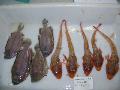 Organisme : 1063 photos |
 Substrat : 31 photos |
 Débris organiques : 13 photos |
 Détritus : 7 photos |
 Sur le pont : 3 photos |
Liste des participants
Détail :
- Castelin, Magalie (Systématique moléculaire, Muséum national d'Histoire naturelle)
- Collecte - Tri
- Cleva, Régis (Carcinologie, Muséum national d'Histoire naturelle)
- Collecte - Tri
- Debitus, Cécile (Chimie, Institut de Recherche pour le Développement)
- Collecte - Tri
- Lozouet, Pierre (Malacologie, Muséum national d'Histoire naturelle)
- Collecte - Tri
- Pante, Eric (Systématique des cnidaires, University of Louisiana at Lafayette)
- Collecte - Tri
- Samadi, Sarah (Biologie évolutive, Institut de Recherche pour le Développement)
- Chef de mission
Cartographie des stations de collectes
 Fichier GoogleEarth (.kml) des points de collectes
Liste des stations


